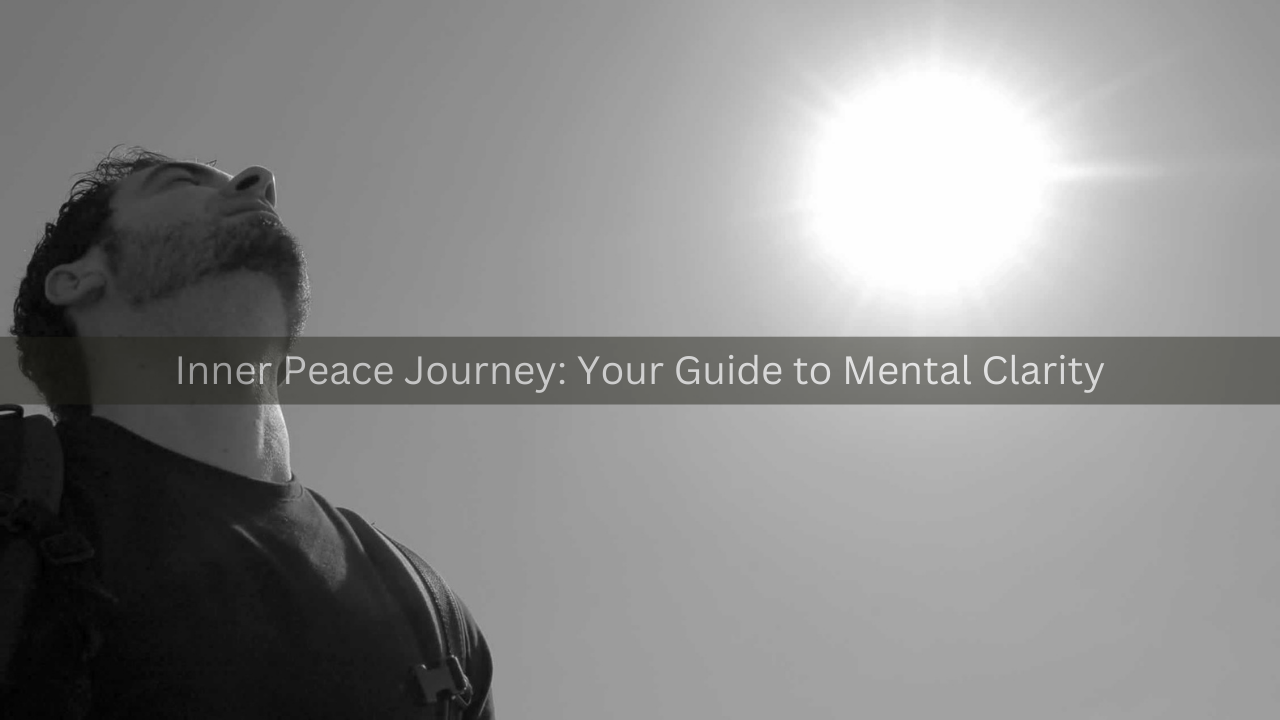
In today’s fast-paced world, it is easy to feel swept along by constant demands, deadlines, and responsibilities. For individuals in recovery from addiction or managing mental health challenges, the pressure can feel even greater. Learning to harness calm energy provides a foundation for resilience, clarity, and sustained well-being. Silent strength is not about inactivity or passivity. It is the ability to remain composed, focused, and grounded while navigating life’s demands, allowing recovery and personal growth to flourish even in a high-speed world.
Why Calm Energy Matters in Recovery
Recovery involves rebuilding the mind, body, and spirit. Stress, overwhelm, and external pressures can trigger cravings, emotional instability, or relapse. Cultivating calm energy empowers individuals to respond thoughtfully rather than react impulsively. Programs that incorporate holistic, faith-based, and individualized care understand the value of inner balance. Whether in inpatient or outpatient treatment, maintaining calm supports emotional regulation, improves decision-making, and reinforces long-term recovery goals.
Practices to Cultivate Silent Strength
Mindful Breathing for Everyday Balance
Deep Breathing Techniques
Even brief breathing exercises can restore equilibrium during challenging moments. Inhale slowly through your nose for four counts, hold for two, and exhale for six counts. Repeating this for a few cycles can stabilize emotions and create a sense of calm focus, whether you are in a therapy session, at work, or managing daily responsibilities.
Counting Breaths for Focus
For enhanced concentration, count each inhale and exhale up to ten, then start over. This practice anchors your attention in the present moment, reducing stress and mental clutter while supporting recovery.
Mindful Movement in Motion
Walking with Awareness
Walking meditation allows you to integrate mindfulness into everyday activity. Focus on the sensation of each step, your posture, and your breath. Even a few minutes of intentional walking during breaks can cultivate grounded energy and clarity.
Active Mindfulness in Tasks
Daily routines, from chores to commuting, can be opportunities for mindful practice. Paying attention to the sensory details of an activity, such as the texture of an object or the rhythm of movement, creates calm energy that carries through the day.
Strengthening Emotional and Mental Boundaries
Setting Intentional Limits
Protecting your mental space is vital. Say no to commitments or interactions that drain your energy unnecessarily. Creating boundaries ensures your calm energy is preserved for priorities that support your recovery and personal growth.
Digital and Environmental Awareness
Reducing exposure to constant notifications, social media, and stressful environments helps maintain inner stability. Scheduled quiet moments or retreats from digital stimuli can reinforce focus and emotional equilibrium.
Integrating Faith and Community Support
Faith-based reflection and community support serve as anchors for silent strength. Prayer, spiritual affirmation, or connecting with peers and mentors provides guidance, encouragement, and perspective. These practices reinforce calm energy, reminding individuals that recovery is supported not just internally but within a compassionate community.
Conclusion
Silent strength is a powerful tool for navigating a high-speed world with composure and focus. By practicing mindful breathing, integrating movement with awareness, protecting emotional boundaries, and drawing support from faith and community, individuals in recovery can harness calm energy for lasting wellness. If you or a loved one are ready to explore compassionate, personalized recovery programs that integrate mental health, holistic care, and faith-based approaches, reach out today. Building calm energy is not about stopping life; it is about thriving within it with clarity, resilience, and peace.