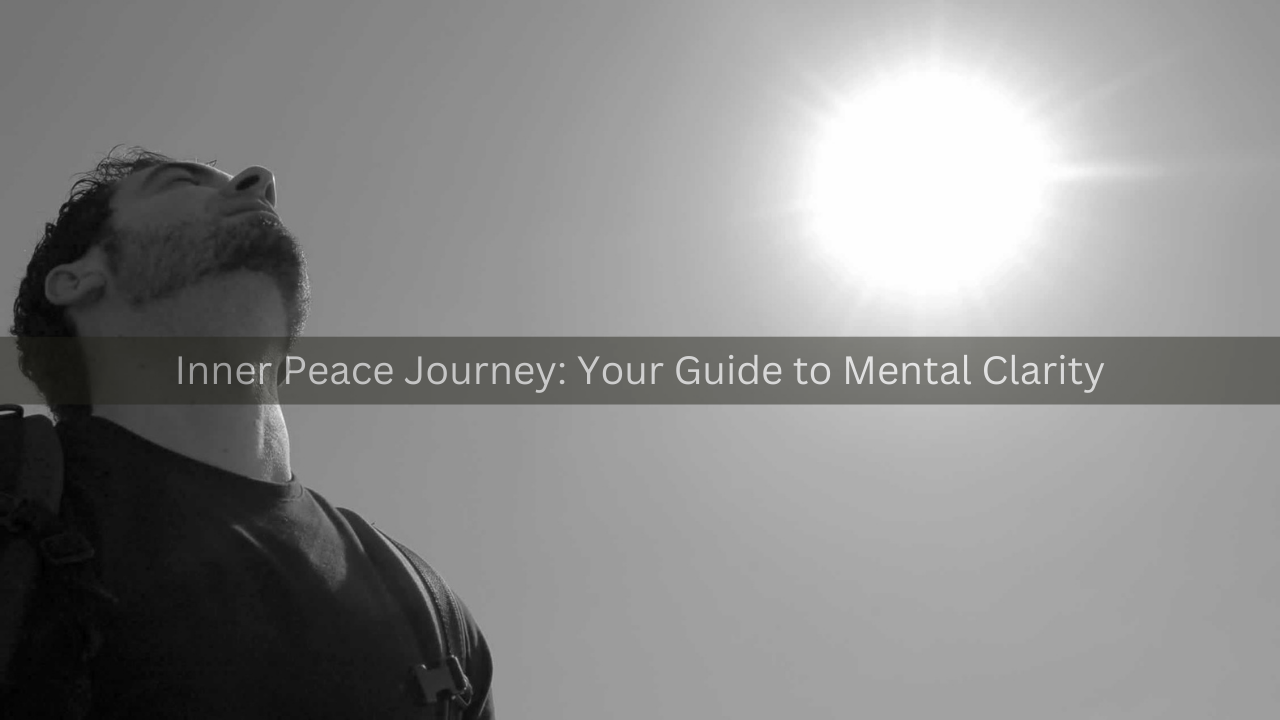
Finding Stillness Within: How Inner Peace Can Support Mental Clarity in Recovery

Recovery is not only about stopping substance use. It is also about learning how to live with greater awareness, emotional stability, and purpose. For many people, addiction develops alongside stress, unresolved pain, anxiety, depression, trauma, or difficult life circumstances. As treatment begins, those experiences may come into sharper focus. Finding stillness within can help create the mental space needed to process emotions, make healthier decisions, and build a stronger foundation for lasting recovery. Through professional addiction treatment, mental health care, holistic practices, and individualized support, people can learn practical ways to cultivate inner peace while moving toward a healthier and more balanced life.

Why Inner Peace Matters in Addiction Recovery

Inner peace does not mean that life becomes completely free from stress or difficult emotions. Instead, it means developing the ability to experience those challenges without allowing them to control your choices.

Addiction can make this difficult. When substances have been used to cope with emotional discomfort, stress, or painful memories, learning new coping skills can take time. Recovery provides an opportunity to replace unhealthy patterns with healthier responses.

Mental clarity can help you recognize what is happening before reacting. You may begin to notice a stressful thought, identify an emotional trigger, and choose a constructive response instead of returning to an old coping pattern.

A greater sense of inner peace can support recovery by helping you:

  • Manage stress more effectively
  • Recognize emotional triggers
  • Improve concentration and decision making
  • Build healthier relationships
  • Respond to cravings with greater awareness
  • Develop confidence in your recovery skills
  • Maintain focus on long term goals

Mental Health Treatment Is an Important Part of Healing

Addiction and mental health are closely connected. Some individuals struggle with anxiety, depression, trauma, or other mental health concerns before substance use begins. For others, prolonged substance use can worsen emotional and psychological symptoms.

That is why comprehensive recovery should address more than addiction alone.

Understanding Your Emotional Patterns

Therapy can help individuals explore the thoughts, emotions, experiences, and behaviors that influence their decisions. With professional guidance, you can begin identifying situations that increase stress or make cravings more difficult to manage.

Understanding these patterns is an important step toward changing them.

Learning Healthier Ways to Cope

Recovery involves developing practical alternatives to substance use. Depending on individual needs, these may include counseling, mindfulness, physical activity, journaling, relaxation techniques, healthy social connections, and other therapeutic strategies.

The goal is not to eliminate every difficult emotion. Instead, the goal is to develop enough emotional resilience to move through difficult experiences without returning to harmful behaviors.

Simple Practices That Encourage Inner Peace

Finding stillness does not require hours of meditation or major lifestyle changes. Small practices can become meaningful when they are repeated consistently.

Start With a Few Quiet Minutes

Give yourself a few uninterrupted minutes each morning. Sit quietly, take several slow breaths, pray, or simply notice how you feel.

Instead of immediately focusing on everything you need to accomplish, allow yourself to begin the day with awareness.

This simple practice can create a pause between waking up and reacting to the pressures of the day.

Practice Mindful Breathing

When stress rises, breathing can become shallow and rapid. Taking several slow, comfortable breaths can help you pause and pay attention to the present moment.

Try focusing on the physical sensation of breathing rather than allowing your thoughts to spiral. If your mind wanders, gently return your attention to your breath.

Mindfulness is not about forcing your mind to become completely empty. It is about learning to notice thoughts without automatically acting on them.

Spend Time in Nature

Nature can provide an opportunity to step away from constant stimulation. A walk through a park, time in a garden, or a few quiet moments outdoors can create space for reflection.

For people in recovery, outdoor activities can also become a healthy alternative to environments associated with substance use.

Keep a Simple Journal

Writing can help organize thoughts and emotions that feel confusing when they remain in your head.

Consider answering a few questions each evening:

  • What went well today?
  • What was difficult?
  • What emotion did I experience most strongly?
  • What helped me cope?
  • What do I want to approach differently tomorrow?

You do not need to write extensively. A few honest observations can reveal patterns over time.

Holistic Care Supports the Whole Person

Recovery becomes stronger when treatment considers physical, emotional, mental, and spiritual well-being. A holistic approach can complement clinical addiction treatment by helping individuals reconnect with healthy activities, personal values, and sources of meaning.

Caring for the Body

Mental wellness is closely connected to physical health. Regular movement, nutritious meals, adequate sleep, and appropriate medical care can all contribute to greater stability.

These habits may seem basic, but they can make a significant difference in how you manage stress and maintain energy throughout recovery.

Exploring Faith and Spirituality

For people who draw strength from faith, spiritual practices can provide comfort, hope, and a deeper sense of purpose. Prayer, reflection, spiritual counseling, and connection with a supportive faith community can become meaningful parts of recovery.

Faith does not have to replace professional treatment. Instead, it can complement counseling and other services when it aligns with an individual’s beliefs and preferences.

Reconnecting With Meaningful Activities

Addiction can gradually narrow a person’s world. Hobbies, creative activities, relationships, service, education, and meaningful work can help rebuild a sense of identity.

Ask yourself what once brought you satisfaction or what you would like to explore for the first time. Recovery can be an opportunity to rediscover interests that addiction pushed aside.

Personalized Treatment Can Make a Difference

There is no single recovery plan that works for everyone. Each person brings a different history, set of challenges, support system, and vision for the future.

Individualized treatment takes these differences into account.

Inpatient Addiction Treatment

Inpatient care provides a structured setting where individuals can focus more closely on healing while receiving professional support. This environment can be particularly valuable when someone needs a higher level of structure, stability, or supervision.

Outpatient Addiction Treatment

Outpatient care allows individuals to participate in treatment while continuing to manage responsibilities such as work, school, or family life. Counseling and recovery support can help individuals apply newly learned coping skills in everyday situations.

The appropriate level of care depends on individual circumstances. A qualified treatment professional can help determine which approach is most appropriate.

Building Inner Peace Through Healthy Relationships

Recovery can feel isolating when someone tries to handle every challenge alone. Healthy relationships provide encouragement, accountability, and perspective.

A strong support network might include counselors, peers, family members, trusted friends, mentors, or members of a faith community.

At the same time, recovery may require setting boundaries. If certain people, environments, or situations consistently increase stress or expose you to triggers, creating healthy distance can protect your progress.

Asking for support is not a weakness. It is an important recovery skill.

What to Do When Your Mind Feels Overwhelmed

Even with healthy habits, difficult days will happen. When your thoughts feel crowded or emotions become intense, return to the basics.

Pause. Take a few slow breaths. Identify what you are feeling. Step away from the immediate source of stress if possible. Then contact someone you trust.

You can also ask yourself what you need right now. Perhaps you need rest, a conversation, professional guidance, a healthy meal, physical activity, or a quiet environment.

Most importantly, do not wait until a crisis becomes overwhelming before seeking support.

Conclusion: Stillness Can Become Part of Your Recovery

Finding stillness within is not about creating a perfect life. It is about learning how to meet life’s challenges with greater awareness, patience, and emotional strength. As mental clarity develops, healthy choices can become easier to recognize. As inner peace grows, stressful moments may become more manageable.

Professional addiction recovery services, mental health treatment, inpatient and outpatient care, holistic approaches, faith-based support, and individualized treatment can provide valuable tools for this process. You do not have to navigate recovery alone.

If addiction or emotional challenges are making it difficult to find peace, reaching out for professional help can be a meaningful first step. Healing takes time, but every healthy choice matters. With the right support and a willingness to keep moving forward, you can develop greater mental clarity, strengthen your recovery, and create a life with more balance, purpose, and peace.

The Power of a Peaceful Mind: How Emotional Balance Supports Long Term Recovery

Long term recovery is not simply about staying away from addictive substances or behaviors. It is also about learning how to live with difficult emotions, manage stress, build healthy relationships, and make decisions that support your well-being. For many people, developing emotional balance is an important part of that process. When the mind is calmer and emotions are easier to understand, it becomes possible to respond to challenges instead of reacting impulsively. With compassionate addiction recovery services, mental health treatment, and individualized support, people can develop the skills needed to cultivate a peaceful mind and build a healthier life in recovery.

Why Emotional Balance Matters in Addiction Recovery

Addiction can disrupt emotional regulation and make everyday stress feel difficult to manage. Over time, substances or unhealthy behaviors may become a way to escape anxiety, sadness, anger, loneliness, or other painful emotions.

Recovery creates an opportunity to develop healthier responses. Instead of immediately trying to suppress an uncomfortable feeling, individuals can learn to recognize it, understand what may be causing it, and choose an appropriate way to respond.

Emotional balance does not mean feeling positive all the time. Everyone experiences frustration, grief, disappointment, and fear. The goal is to develop the resilience to experience those emotions without allowing them to control decisions or undermine recovery.

A peaceful mind can support recovery by helping individuals:

  • Recognize emotional triggers
  • Manage stress more effectively
  • Think more clearly before making decisions
  • Communicate more openly
  • Develop healthier coping strategies
  • Maintain stronger relationships
  • Stay focused on long term recovery goals

Mental Health and Recovery Are Closely Connected

Addiction and mental health concerns frequently overlap. Anxiety, depression, trauma, chronic stress, and other emotional challenges can influence substance use, while addiction can also make existing mental health symptoms more difficult to manage.

For this reason, effective recovery should address the whole person. Treating addiction without considering emotional and psychological needs may leave important challenges unresolved.

Treating the Person, Not Just the Addiction

Integrated mental health treatment gives individuals an opportunity to explore the experiences and patterns that may contribute to unhealthy coping. Therapy can help people understand their emotions, identify triggers, challenge unhelpful thought patterns, and develop practical skills for handling difficult situations.

This approach can be particularly valuable for individuals with co-occurring mental health and substance use concerns. With appropriate professional guidance, treatment can address both areas as part of a comprehensive recovery plan.

Daily Practices That Encourage a Peaceful Mind

Emotional balance is strengthened through consistent practice. Small habits can create meaningful changes when they become part of everyday life.

Start the Day with Intention

The first moments of the day can influence how you approach everything that follows. Rather than immediately checking messages or rushing into responsibilities, consider creating a few quiet minutes for yourself.

Prayer, meditation, gratitude, or simply sitting quietly can provide an opportunity to establish a sense of direction. Ask yourself what you need today to protect your recovery and support your emotional wellness.

Use Mindful Breathing During Stressful Moments

Stress can make it difficult to think clearly. Mindful breathing offers a simple way to pause before reacting.

Try taking several slow breaths while paying attention to the movement of your body. Focus on the present moment rather than immediately thinking about everything that could go wrong.

This practice will not eliminate every difficult emotion. However, it can create enough space to make a healthier decision.

Create a Predictable Routine

Structure can provide stability during recovery. Regular sleep, nutritious meals, physical activity, therapy, and time for relaxation can help create a balanced foundation.

A routine also makes it easier to recognize changes in your mood or behavior. If you notice that you are becoming increasingly isolated, irritable, exhausted, or overwhelmed, you can reach out for support before the situation becomes more difficult.

H2: Holistic Practices Can Strengthen Emotional Wellness

Holistic recovery considers the connection between mental, physical, emotional, and spiritual health. This perspective can complement professional addiction treatment by encouraging individuals to care for every part of themselves.

H3: Connect Your Mind and Body

Physical wellness can influence emotional wellness. Walking, stretching, yoga, recreational activities, and other forms of movement can provide healthy ways to release tension and reconnect with your body.

Sleep is equally important. Establishing healthy sleep habits can make it easier to manage stress and maintain focus throughout the day.

H3: Make Time for Reflection

Journaling can help organize thoughts that otherwise feel overwhelming. Writing down concerns, accomplishments, triggers, or things you are grateful for can make emotional patterns easier to recognize.

You do not need to write pages every day. Even a few honest sentences can provide useful insight.

H3: Explore Spiritual Support

For individuals who draw strength from faith, spirituality can become an important part of recovery. Prayer, scripture, spiritual counseling, or participation in a supportive faith community can provide comfort and a sense of purpose.

Faith-based care can also encourage forgiveness and hope while helping individuals understand that their past does not have to define their future.

H2: Professional Support Makes Recovery Stronger

Healthy habits are valuable, but recovery should not depend on willpower alone. Professional support provides guidance when emotions, cravings, or life circumstances become difficult to manage.

Individual counseling can create a confidential environment for exploring personal challenges. Group therapy can provide connection and accountability. Family counseling can help loved ones understand addiction and learn healthier ways to support recovery.

The appropriate level of treatment also depends on each person’s needs.

H3: Inpatient Care

Inpatient treatment offers a structured environment where individuals can focus closely on recovery while receiving professional support. This level of care can provide stability for people who need more intensive assistance during a particular stage of healing.

H3: Outpatient Care

Outpatient treatment allows individuals to receive ongoing therapy and recovery support while continuing to manage responsibilities at home, work, or school. It can be an important option for maintaining progress while gradually applying recovery skills to everyday situations.

The most effective approach is not necessarily the same for everyone. Individualized care considers personal circumstances, treatment goals, mental health needs, and recovery progress.

H2: Emotional Balance Helps You Respond to Setbacks

Setbacks can happen during recovery. A difficult day, stressful relationship, unexpected disappointment, or emotional trigger does not automatically mean that recovery has failed.

A peaceful mind helps create perspective.

Instead of thinking, “I cannot handle this,” you can learn to pause and ask:

  • What am I feeling right now?
  • What triggered this response?
  • What do I need at this moment?
  • Who can I contact for support?
  • What choice will protect my recovery?

These questions turn an overwhelming situation into an opportunity to practice healthy coping skills.

H2: Build a Support System That Protects Your Peace

Recovery becomes more sustainable when you have people you can trust. Support may include counselors, treatment professionals, family members, friends, peers, or members of a faith community.

Healthy relationships should encourage honesty and accountability. They should also give you permission to ask for help without shame.

Setting boundaries is another important part of emotional wellness. Protecting your recovery may sometimes mean limiting contact with people, places, or situations that consistently create unnecessary stress or increase exposure to triggers.

Conclusion: A Peaceful Mind Can Become Part of Your Recovery

Emotional balance is not something you have to achieve perfectly before you can experience a fulfilling life in recovery. It develops gradually through self-awareness, healthy routines, professional guidance, meaningful relationships, and consistent care for your mind, body, and spirit.

If addiction or mental health challenges are making it difficult to find stability, reaching out for professional support can be a meaningful next step. Inpatient and outpatient care, mental health treatment, holistic practices, faith-based support, and individualized recovery planning can provide the foundation you need to move forward.

A peaceful mind does not mean that life will never be difficult. It means you can face difficult moments with greater clarity, compassion, and confidence. Long term recovery is built one healthy choice at a time. Today can be the day you begin choosing a calmer, healthier, and more purposeful path.

When the Mind Begins to Heal: Practical Steps Toward Inner Peace and Lasting Sobriety

Recovery is one of the most courageous journeys a person can take. While breaking free from addiction is a significant milestone, true healing reaches far beyond physical sobriety. It involves restoring mental wellness, finding emotional balance, and learning how to live with renewed purpose and hope. As the mind begins to heal, many individuals discover that lasting recovery is built through daily habits, compassionate support, and a commitment to personal growth. With comprehensive addiction treatment, integrated mental health care, holistic therapies, and individualized recovery plans, it is possible to achieve inner peace and create a life that is healthier, more meaningful, and free from the burden of addiction.

H2: Healing the Mind Is a Vital Part of Recovery

Addiction affects the brain, emotions, and relationships. It often develops alongside mental health challenges such as anxiety, depression, trauma, or chronic stress. For many people, substances become a way to escape emotional pain rather than address it.

When recovery begins, those emotions often resurface. This can feel overwhelming, but it also creates an opportunity for genuine healing. Addressing mental health alongside addiction allows individuals to better understand their experiences while learning healthier ways to cope with life’s challenges.

Programs that combine addiction recovery services with mental health treatment provide a stronger foundation for lasting sobriety because they treat the whole person rather than focusing on addiction alone.

H2: Inner Peace Strengthens Long Term Recovery

Inner peace does not mean life becomes free from challenges. Instead, it means developing the emotional stability to face those challenges with confidence and clarity.

As emotional balance improves, individuals often notice positive changes such as:

  • Greater mental clarity
  • Reduced anxiety and stress
  • Better emotional regulation
  • Improved communication with loved ones
  • Stronger self-confidence
  • Increased resilience during difficult situations

These improvements make it easier to remain committed to recovery while building a healthier future.

H2: Practical Daily Habits That Support Healing

Recovery is strengthened through consistent daily choices. Small habits practiced regularly often produce the greatest long-term results.

H3: Begin Each Day with Purpose

Starting the day with intention creates a positive mindset before outside distractions appear. Many people benefit from spending a few quiet moments in prayer, meditation, gratitude, or personal reflection.

For those participating in faith-based recovery, spiritual practices can provide encouragement, hope, and a deeper sense of purpose throughout the healing journey.

H3: Practice Mindfulness Throughout the Day

Mindfulness encourages individuals to remain present instead of becoming trapped in regrets about the past or worries about the future.

Simple mindfulness practices include:

  • Deep breathing exercises
  • Guided meditation
  • Quiet walks outdoors
  • Stretching or gentle yoga
  • Taking regular moments to pause and reflect

These activities calm the nervous system while improving focus and emotional awareness.

H3: Build Healthy Routines

Structure creates stability during recovery. Establishing predictable daily habits reduces unnecessary stress while reinforcing healthy decision making.

Helpful routines may include:

  • Consistent sleep schedules
  • Nutritious meals
  • Physical activity
  • Therapy sessions
  • Time for relaxation
  • Journaling or reflection

Healthy routines create a sense of balance that supports long-term sobriety.

H2: Holistic Care Encourages Whole Person Healing

Successful recovery involves more than treating addiction. Holistic care recognizes that physical, emotional, mental, and spiritual well-being are closely connected.

Comprehensive treatment programs often include a variety of supportive services such as:

  • Individual counseling
  • Group therapy
  • Family counseling
  • Faith-based guidance
  • Nutritional counseling
  • Recreational therapy
  • Art and music therapy
  • Mindfulness and meditation

These therapies complement evidence-based addiction treatment by helping individuals develop healthier coping skills while reducing stress and emotional overwhelm.

H2: Personalized Care Meets Individual Needs

Every recovery journey is different. Personal history, family dynamics, mental health concerns, and life circumstances all influence the healing process.

An individualized treatment plan allows professionals to tailor care according to each person’s unique needs and goals.

H3: Inpatient Treatment

Residential treatment provides a structured environment with medical supervision, therapy, and holistic support. This level of care allows individuals to focus completely on healing without outside distractions.

H3: Outpatient Treatment

Outpatient programs offer flexibility for individuals who are ready to continue recovery while maintaining work, school, or family responsibilities. Ongoing counseling and support help reinforce healthy coping strategies in everyday life.

Both inpatient and outpatient services play important roles in supporting long-term recovery.

H2: Emotional Resilience Grows Through Connection

Recovery is not meant to be faced alone. Strong relationships provide encouragement, accountability, and hope during difficult moments.

Support may come from:

  • Licensed counselors
  • Recovery groups
  • Family members
  • Trusted friends
  • Faith communities
  • Peer mentors

Building a reliable support network helps reduce isolation while creating opportunities for continued personal growth.

H2: Progress Happens One Choice at a Time

Many individuals entering treatment believe they need to completely transform overnight. In reality, lasting sobriety is built through consistent daily progress.

Every counseling session attended, every healthy meal prepared, every honest conversation, and every mindful breath contributes to stronger emotional health. These small victories gradually become lifelong habits that support both mental wellness and sustained recovery.

Healing is not about perfection. It is about continuing to move forward, even when challenges arise.

Conclusion: Take the First Step Toward a Healthier Future

When the mind begins to heal, hope begins to grow. With compassionate addiction recovery services, integrated mental health treatment, holistic therapies, faith-based support, and individualized care, lasting recovery becomes more than a possibility. It becomes a realistic and achievable goal.

If you or someone you love is struggling with addiction or mental health challenges, seeking professional help is one of the most important decisions you can make. Recovery is about more than achieving sobriety. It is about restoring peace, rebuilding confidence, strengthening emotional wellness, and creating a life filled with purpose. Every step you take today brings you closer to lasting healing and a brighter tomorrow.

Finding Your Center: Holistic Ways to Build Mental Clarity and Emotional Resilience

Recovery is about much more than overcoming addiction. It is about rebuilding a life that feels balanced, meaningful, and emotionally healthy. Many people begin treatment carrying years of stress, unresolved trauma, anxiety, depression, or emotional exhaustion. These challenges often make it difficult to think clearly, manage emotions, or believe lasting change is possible. Fortunately, healing can happen when recovery addresses the whole person instead of focusing only on substance use. Through compassionate care, evidence-based addiction treatment, holistic therapies, and individualized support, individuals can find their center, strengthen emotional resilience, and develop the mental clarity needed to create a healthier future.

Why Mental Clarity Matters During Recovery

Addiction often affects the brain’s ability to process emotions, make thoughtful decisions, and respond to stress in healthy ways. Even after substance use has stopped, emotional challenges may continue as the mind and body adjust to a healthier lifestyle.

Mental clarity allows individuals to slow down, recognize unhealthy thought patterns, and make choices that support long-term recovery. Instead of reacting impulsively, they begin responding with greater awareness and confidence.

Clear thinking also helps people:

  • Manage cravings more effectively
  • Improve communication with loved ones
  • Strengthen decision making
  • Reduce emotional overwhelm
  • Build healthier routines
  • Stay focused on long-term recovery goals

Comprehensive treatment programs that integrate addiction recovery with mental health services provide valuable support throughout this process.

Emotional Resilience Is Built Through Healing

Emotional resilience is the ability to recover from setbacks without losing hope or motivation. Recovery naturally includes challenges, but resilience helps individuals move through difficult moments while remaining committed to healing.

Resilience does not mean avoiding uncomfortable emotions. Instead, it means learning healthy ways to understand, express, and manage them.

Professional counseling, peer support, and holistic therapies all contribute to stronger emotional resilience by teaching practical coping skills that last well beyond treatment.

Holistic Healing Supports Every Part of Recovery

Holistic care recognizes that lasting recovery involves the mind, body, and spirit working together. Treating addiction alone may not fully address the emotional or spiritual needs that influence long-term wellness.

A holistic approach often combines clinical treatment with wellness practices that encourage balance and personal growth.

These services may include:

  • Individual counseling
  • Group therapy
  • Family counseling
  • Faith-based support
  • Mindfulness training
  • Meditation
  • Nutritional counseling
  • Recreational activities
  • Art and music therapy

Together, these services create a comprehensive treatment experience that supports both recovery and overall mental wellness.

Practical Ways to Improve Mental Clarity

Healthy daily habits strengthen the progress made during treatment. Consistency often creates greater results than dramatic changes.

Practice Mindfulness Every Day

Mindfulness encourages individuals to focus on the present moment rather than becoming overwhelmed by past mistakes or future worries.

Simple mindfulness practices include:

  • Deep breathing exercises
  • Quiet meditation
  • Prayer
  • Body awareness exercises
  • Walking outdoors without distractions

These activities calm the nervous system while improving focus and emotional awareness.

Develop Healthy Daily Routines

Recovery benefits from structure. A predictable routine creates stability while reducing unnecessary stress.

Healthy routines often include:

  • Consistent sleep schedules
  • Balanced nutrition
  • Physical activity
  • Therapy sessions
  • Time for relaxation
  • Personal reflection

These habits support both emotional and physical healing.

Limit Sources of Unnecessary Stress

Stress is a common trigger during recovery. While it cannot always be avoided, learning to reduce unnecessary pressures can improve emotional well-being.

Setting healthy boundaries, practicing effective time management, and allowing time for rest all contribute to greater peace of mind.

Personalized Treatment Creates Better Outcomes

Every person’s recovery journey is different. Individual experiences, mental health conditions, family relationships, and personal goals all influence treatment needs.

Personalized care allows professionals to create treatment plans that address these unique circumstances.

Inpatient Treatment

Residential care offers a structured environment where individuals receive intensive therapy, medical supervision, and holistic support without outside distractions.

Outpatient Treatment

Outpatient care provides flexibility while allowing individuals to continue work, school, or family responsibilities as they receive ongoing counseling and recovery support.

Both treatment options can be tailored to meet individual recovery goals.

Faith and Purpose Can Strengthen Recovery

For many individuals, spiritual growth becomes an important part of emotional healing. Faith-based recovery encourages hope, forgiveness, gratitude, and renewed purpose while providing strength during difficult moments.

Purpose also creates motivation for long-term recovery. Whether found through family, career, service, or personal growth, having meaningful goals helps individuals remain focused on building a healthier future.

Healing Happens One Step at a Time

Recovery is not measured by perfection. It is built through consistent effort and a willingness to continue moving forward after setbacks. Every counseling session attended, healthy meal prepared, mindful breath taken, and supportive conversation contributes to lasting progress.

Small daily improvements gradually strengthen confidence, emotional resilience, and mental clarity. Over time, these positive choices become lifelong habits that support lasting sobriety and wellness.

Conclusion: Find Your Center and Embrace Lasting Healing

Finding your center is one of the most valuable gifts you can give yourself during recovery. By combining professional addiction treatment with mental health care, holistic therapies, faith-based encouragement, and individualized support, it becomes possible to create lasting emotional balance and renewed hope.

If you or someone you love is struggling with addiction or mental health challenges, seeking professional help is a courageous first step. Comprehensive treatment provides the tools, guidance, and compassionate care needed to heal the whole person. With every positive choice you make, you move closer to greater mental clarity, stronger emotional resilience, and a future defined by health, peace, and lasting recovery.

A Fresh Start Begins Within: How Inner Peace Strengthens Addiction Recovery and Mental Wellness

Recovery is often described as a new beginning, but the most meaningful transformation starts long before life looks different on the outside. It begins within. True healing happens when individuals learn to quiet the constant stress, process difficult emotions, and rebuild a healthy relationship with themselves. Inner peace is not simply a comforting feeling. It is a powerful foundation that supports addiction recovery, strengthens mental wellness, and creates the emotional stability needed for lasting change. Through compassionate care, evidence-based treatment, holistic therapies, and personalized support, individuals can discover that a fresh start begins by healing the mind, body, and spirit together.

Why Inner Peace Is a Powerful Part of Recovery

Addiction often develops alongside emotional pain, chronic stress, trauma, anxiety, or depression. While overcoming substance use is an important milestone, sustainable recovery also requires addressing the emotional and psychological challenges that contributed to addiction.

Inner peace helps reduce the mental noise that often fuels unhealthy coping behaviors. When individuals feel calmer and more grounded, they are better equipped to make thoughtful decisions, manage cravings, and respond to life’s challenges with confidence.

Developing inner peace can help:

  • Improve emotional regulation
  • Reduce stress and anxiety
  • Strengthen resilience during difficult situations
  • Increase mental clarity and focus
  • Build healthier relationships
  • Support long-term sobriety

Recovery programs that integrate addiction treatment with mental health services provide individuals with practical tools to develop these essential skills.

Mental Wellness and Recovery Go Hand in Hand

Mental health and addiction are closely connected. Many people entering treatment experience co-occurring conditions such as anxiety disorders, depression, post-traumatic stress, or unresolved grief. Treating only the addiction without addressing mental health often leaves important needs unmet.

Comprehensive recovery focuses on healing both conditions together. This integrated approach allows individuals to better understand their emotional experiences while developing healthier coping strategies that support lifelong wellness.

Whether treatment occurs in an inpatient or outpatient setting, addressing mental health alongside addiction creates a stronger foundation for recovery.

Daily Habits That Encourage Inner Peace

Healing does not happen through one major event. It grows through consistent daily habits that strengthen emotional well-being over time.

Begin Each Morning with Intention

Starting each day with purpose creates a positive mindset before outside stress begins. Many people benefit from quiet reflection, prayer, meditation, or reading inspirational material that encourages hope and gratitude.

These simple moments help create emotional balance before the day’s responsibilities begin.

Practice Mindful Breathing

Deep breathing is one of the most effective ways to calm the body’s stress response. During moments of anxiety or emotional discomfort, slow breathing helps reduce tension and improve mental focus.

This practice can become a reliable tool whenever cravings, frustration, or difficult emotions arise.

Move Your Body Every Day

Physical movement benefits both emotional and physical health. Walking, stretching, yoga, or other forms of gentle exercise release natural chemicals that improve mood while reducing stress.

Regular movement also improves sleep quality and supports overall wellness during recovery.

Holistic Healing Supports the Whole Person

Holistic recovery recognizes that lasting healing involves every aspect of a person’s well-being. Instead of focusing only on addiction, holistic care addresses emotional, physical, mental, and spiritual health together.

A comprehensive treatment plan may include:

  • Individual counseling
  • Group therapy
  • Family counseling
  • Faith-based guidance
  • Mindfulness and meditation
  • Recreational therapy
  • Nutritional support
  • Creative therapies such as art or music

These services complement evidence-based addiction treatment while helping individuals build healthier coping skills and greater emotional resilience.

Individualized Care Makes Recovery More Effective

Every person’s story is unique. Personal experiences, family dynamics, mental health history, and recovery goals all influence the healing process. Individualized treatment ensures that care reflects these differences instead of relying on a one-size-fits-all approach.

Depending on individual needs, treatment may include:

Inpatient Care

Residential treatment provides a highly structured environment with around-the-clock professional support, allowing individuals to focus fully on healing.

Outpatient Care

Outpatient programs provide flexibility while offering continued counseling, education, and support for those balancing recovery with work, school, or family responsibilities.

Both levels of care help individuals develop practical strategies for maintaining recovery in everyday life.

Faith and Purpose Can Inspire Lasting Change

For many individuals, spiritual growth becomes an important source of strength during recovery. Faith-based support encourages hope, forgiveness, gratitude, and purpose while providing comfort during difficult moments.

Developing a sense of purpose also strengthens long-term motivation. Whether through faith, family, meaningful work, or helping others, having a reason to move forward reinforces commitment to lifelong recovery.

Recovery Is Built One Day at a Time

One of the most valuable lessons in recovery is learning that lasting change happens through consistent progress rather than perfection. Every healthy decision contributes to a stronger future.

Attending therapy, practicing mindfulness, reaching out for support, maintaining healthy routines, and showing self-compassion all reinforce positive change. These daily choices gradually create a life marked by confidence, emotional balance, and lasting wellness.

Conclusion: Begin Your Fresh Start Today

A fresh start begins within. By cultivating inner peace, addressing mental health, and embracing comprehensive addiction treatment, individuals can build a life rooted in clarity, resilience, and hope. Recovery is not simply about leaving addiction behind. It is about creating a healthier future where emotional wellness, meaningful relationships, and personal growth become part of everyday life.

If you or someone you love is facing addiction or mental health challenges, professional support can provide the guidance needed to begin healing. With compassionate care, holistic therapies, faith-based encouragement, and individualized treatment, lasting recovery is possible. The journey starts with one courageous step, and that step can lead to a future filled with peace, purpose, and renewed strength.

Choosing Peace Every Day: Simple Habits That Bring Mental Clarity During Recovery

Recovery is built one decision at a time. While milestones such as completing treatment or celebrating months of sobriety deserve recognition, lasting healing is often shaped by the small choices made every day. Choosing peace is one of those choices. It means intentionally creating habits that calm the mind, strengthen emotional resilience, and support healthier ways of responding to life’s challenges. For individuals recovering from addiction or managing mental health conditions, these daily practices can make the difference between simply getting through the day and truly moving forward with confidence. With compassionate support, individualized treatment, and a holistic approach to healing, mental clarity becomes an achievable goal rather than a distant hope.

Why Mental Clarity Matters in Recovery

Addiction affects far more than physical health. It can cloud judgment, increase emotional reactivity, and make it difficult to focus on personal goals. Many people entering recovery also struggle with anxiety, depression, trauma, or chronic stress, making mental clarity an essential part of the healing process.

When the mind becomes calmer, individuals are better able to recognize unhealthy patterns, make thoughtful decisions, and remain committed to their recovery plan. Mental clarity also strengthens relationships, improves self-confidence, and reduces the likelihood of returning to unhealthy coping behaviors.

Recovery programs that combine addiction treatment, mental health services, inpatient and outpatient care, and holistic therapies provide the comprehensive support needed to restore emotional balance.

Peace Is Created Through Daily Choices

Inner peace is not something that appears overnight. It grows through consistent habits that support both emotional and physical well-being. Even small changes practiced regularly can have a meaningful impact over time.

Choosing peace means learning to respond to life’s challenges with patience, awareness, and self-compassion instead of fear or impulsive reactions.

Simple Habits That Promote Inner Peace

Healthy routines create stability during recovery. The following practices can help improve mental clarity while strengthening emotional wellness.

Begin Each Day with Quiet Reflection

Starting the morning without rushing allows the mind to settle before the day’s demands begin. Spending even ten minutes in quiet reflection, prayer, meditation, or gratitude can help establish a positive mindset.

For individuals who value faith-based recovery, beginning each day with spiritual reflection can provide hope, encouragement, and a renewed sense of purpose.

Practice Mindful Breathing

Breathing exercises are simple yet powerful tools for managing stress. Deep, controlled breathing activates the body’s natural relaxation response and helps reduce feelings of anxiety.

This practice can be especially helpful when facing cravings, emotional triggers, or difficult conversations.

Create a Consistent Daily Routine

Structure brings stability during recovery. A predictable schedule reduces unnecessary stress while encouraging healthy habits.

A balanced routine may include:

  • Regular sleep and wake times
  • Nutritious meals
  • Physical activity
  • Therapy appointments
  • Personal reflection
  • Relaxation before bedtime

These daily habits support both emotional and physical recovery.

Support Emotional Healing Through Healthy Outlets

Recovery often involves processing emotions that have been ignored or hidden for years. Healthy emotional expression helps reduce internal stress while promoting long-term healing.

Write in a Journal

Journaling creates a safe place to express thoughts, track progress, and identify emotional patterns. Over time, it can help individuals recognize personal growth and celebrate meaningful accomplishments.

Spend Time in Nature

A quiet walk outdoors or time spent in a peaceful setting can reduce stress, improve mood, and encourage mindfulness. Nature provides an opportunity to slow down and reconnect with the present moment.

Stay Connected with Supportive People

Healing becomes easier when individuals are surrounded by encouragement and understanding. Trusted family members, recovery peers, counselors, and faith communities provide accountability while reducing feelings of isolation.

Holistic Care Supports Lasting Recovery

Long-term recovery involves treating the whole person, not just the addiction. Holistic care recognizes that emotional, physical, mental, and spiritual health all work together.

Comprehensive treatment may include:

  • Individual counseling
  • Group therapy
  • Family counseling
  • Faith-based support
  • Mindfulness practices
  • Recreational therapy
  • Nutrition education
  • Wellness activities

These services complement evidence-based addiction treatment by helping individuals build healthier coping skills and stronger emotional resilience.

Personalized Treatment Creates Meaningful Change

Every recovery journey is unique. What works well for one individual may not meet the needs of another. Personalized treatment plans consider each person’s history, mental health needs, personal values, and long-term recovery goals.

Whether someone requires inpatient care for intensive support or outpatient treatment for greater flexibility, individualized care provides the right level of guidance throughout every stage of recovery.

By addressing addiction alongside mental health concerns, personalized treatment helps individuals develop practical skills that support lasting wellness.

Progress Is Built Through Consistency

Recovery is not defined by perfection. It is defined by the willingness to continue making healthy choices, even when challenges arise. Every peaceful response to stress, every counseling session attended, and every healthy habit practiced strengthens the recovery process.

Choosing peace every day creates momentum. Over time, those small daily decisions become lasting lifestyle changes that support emotional balance and lifelong sobriety.

Conclusion: Choose Peace and Begin Building a Healthier Future

Mental clarity and inner peace are not beyond reach. They are built through intentional daily habits, compassionate support, and a commitment to personal growth. When addiction recovery includes comprehensive mental health treatment, holistic therapies, faith-based encouragement, and individualized care, lasting healing becomes possible.

If you or someone you love is struggling with addiction or mental health challenges, reaching out for professional help is a powerful first step. Recovery is about more than overcoming substance use. It is about creating a life filled with hope, purpose, emotional balance, and lasting peace. Every positive choice you make today brings you closer to the healthier future you deserve.

Your Path to a Clearer Mind: Holistic Strategies for Inner Peace, Healing, and Recovery

The journey to recovery is about more than leaving addiction behind. It is about creating a healthier, more fulfilling life built on emotional resilience, mental clarity, and genuine inner peace. Many people enter treatment carrying the weight of stress, trauma, anxiety, or depression alongside substance use. These challenges can cloud judgment, affect relationships, and make daily life feel overwhelming. The good news is that healing is possible. With compassionate care, evidence-based treatment, and holistic strategies that address the whole person, individuals can regain balance, strengthen their mental wellness, and build a lasting recovery that supports every aspect of life.

Why Mental Clarity Is Essential for Lasting Recovery

A clear mind allows individuals to make thoughtful decisions, manage emotions more effectively, and remain focused on long-term recovery goals. During active addiction, substance use often disrupts healthy thinking patterns, making it difficult to respond calmly to stress or recognize unhealthy behaviors.

As recovery progresses, restoring mental clarity becomes an important part of rebuilding confidence and creating positive change. When the mind becomes less burdened by emotional distress, individuals are better prepared to embrace healthy habits and meaningful relationships.

Mental clarity can help people:

  • Recognize personal triggers before they become overwhelming
  • Improve emotional regulation
  • Make healthier daily decisions
  • Increase confidence during recovery
  • Strengthen resilience through difficult situations
  • Support long-term sobriety and emotional wellness

Comprehensive treatment that combines addiction recovery services with mental health care creates a strong foundation for achieving these goals.

Holistic Healing Treats the Whole Person

Recovery is most effective when treatment addresses the physical, emotional, mental, and spiritual aspects of health. Holistic care recognizes that lasting healing involves far more than overcoming substance use.

Many individuals benefit from an integrated approach that combines clinical therapies with complementary wellness practices. These services work together to reduce stress, improve emotional balance, and encourage personal growth.

Holistic recovery may include:

  • Individual counseling
  • Group therapy
  • Family support
  • Faith-based guidance
  • Mindfulness practices
  • Meditation
  • Physical fitness
  • Nutritional counseling
  • Art and music therapy

By treating the whole person, recovery becomes more sustainable and personally meaningful.

Practical Strategies for Building Inner Peace

Inner peace develops through intentional daily choices rather than dramatic life changes. Small habits practiced consistently can create remarkable improvements over time.

Make Mindfulness Part of Your Daily Routine

Mindfulness encourages you to focus on the present moment instead of becoming trapped in past regrets or future worries. Regular mindfulness practice can reduce anxiety, improve concentration, and strengthen emotional awareness.

Simple ways to practice mindfulness include:

  • Taking slow, intentional breaths
  • Spending quiet time outdoors
  • Practicing guided meditation
  • Focusing fully on one activity at a time

These habits help calm the mind while promoting emotional stability.

Prioritize Healthy Daily Structure

Consistency supports recovery by creating stability during times of change. A predictable routine reduces unnecessary stress while reinforcing positive behaviors.

Healthy routines often include:

  • Regular sleep schedules
  • Balanced meals
  • Daily movement or exercise
  • Counseling appointments
  • Personal reflection
  • Relaxation before bedtime

These habits support both physical wellness and emotional healing.

Express Your Emotions in Healthy Ways

Recovery often brings emotions that have been hidden or avoided for years. Finding healthy ways to express these feelings is essential for long-term healing.

Journaling, creative activities, conversations with trusted counselors, and participation in support groups provide safe opportunities to process emotions while strengthening self-awareness.

Addressing Mental Health Alongside Addiction

Many individuals seeking addiction treatment also experience anxiety, depression, trauma, or other mental health conditions. Treating these challenges together often leads to stronger and more lasting recovery outcomes.

Integrated treatment helps individuals:

  • Understand the relationship between addiction and mental health
  • Learn healthier coping strategies
  • Improve emotional resilience
  • Reduce the likelihood of relapse
  • Build long-term emotional stability

Personalized treatment plans ensure that each person’s unique needs remain the focus throughout recovery.

The Benefits of Inpatient and Outpatient Care

Every recovery journey is different, which is why flexible treatment options are important.

Inpatient Treatment

Residential care provides a structured environment where individuals receive around the clock support, therapy, medical supervision, and holistic services. This setting is often ideal for those requiring intensive treatment or additional stability.

Outpatient Treatment

Outpatient care allows individuals to continue receiving professional treatment while maintaining work, school, or family responsibilities. This option provides flexibility while reinforcing recovery skills within everyday life.

Both levels of care can be customized to support individual goals and long-term success.

Finding Strength Through Faith and Community

Recovery becomes more meaningful when individuals feel connected to something greater than themselves. Faith-based support can provide hope, purpose, forgiveness, and encouragement throughout the healing process.

Equally important is the sense of belonging created through supportive communities. Recovery groups, family involvement, peer mentors, and compassionate treatment professionals remind individuals that they never have to face recovery alone.

These relationships create accountability while providing encouragement during life’s challenges.

Every Small Step Leads to Lasting Change

Many people believe recovery requires dramatic transformation overnight. In reality, lasting healing is built through small, consistent actions repeated every day.

Choosing healthy coping skills, attending therapy, practicing mindfulness, maintaining routines, and reaching out for support all contribute to meaningful progress. Each positive decision strengthens confidence and reinforces the belief that lasting recovery is achievable.

Conclusion: Begin Your Journey Toward Lasting Inner Peace

Your path to a clearer mind begins with a single decision to invest in your healing. Through comprehensive addiction recovery services, compassionate mental health treatment, holistic therapies, faith-based support, and individualized care, it is possible to restore balance, develop emotional resilience, and build a healthier future.

If you or someone you love is struggling with addiction or mental health challenges, professional support can make all the difference. Recovery is not simply about overcoming substance use. It is about discovering inner peace, rebuilding hope, and creating a life guided by clarity, purpose, and lasting wellness. Every step forward brings you closer to the future you deserve.

From Overwhelmed to Empowered: Simple Steps Toward Inner Peace and Better Mental Wellness

Feeling overwhelmed is a common experience for individuals beginning the journey toward addiction recovery and improved mental health. The weight of emotional pain, daily stress, and the uncertainty of change can make it difficult to imagine a life filled with peace and stability. The encouraging news is that healing does not require perfection. It begins with small, intentional steps that strengthen the mind, restore emotional balance, and build confidence over time. By combining professional treatment with holistic care and healthy daily habits, individuals can move from feeling overwhelmed to feeling empowered, creating a lasting foundation for recovery and mental wellness.

Why Inner Peace Is Essential for Recovery

Recovery is about much more than abstaining from substances. It is about learning healthier ways to cope with life’s challenges while rebuilding emotional and mental well-being. Inner peace provides the stability needed to navigate recovery with greater confidence and resilience.

When the mind feels calm, individuals are better able to manage difficult emotions, recognize unhealthy thought patterns, and make thoughtful decisions instead of reacting impulsively. This emotional balance supports both addiction recovery and long-term mental health.

Developing inner peace can help individuals:

  • Reduce stress and anxiety
  • Improve emotional regulation
  • Increase focus and mental clarity
  • Strengthen resilience during difficult situations
  • Build healthier relationships
  • Support lasting sobriety

Comprehensive treatment programs that integrate addiction recovery services, mental health care, inpatient and outpatient treatment, and holistic therapies offer valuable support throughout this process.

Understanding the Emotional Side of Recovery

Many people struggling with addiction also experience anxiety, depression, trauma, grief, or chronic stress. These emotional challenges often contribute to substance use and may continue after sobriety begins.

Healing requires addressing both addiction and mental health together. This integrated approach allows individuals to understand the root causes of their struggles while developing healthier coping strategies.

Recovery becomes more sustainable when emotional healing is treated as an essential part of the process rather than an afterthought.

Simple Daily Steps That Build Inner Peace

Meaningful change often starts with small daily habits. Consistency is far more important than dramatic changes.

Practice Mindful Breathing

Deep breathing helps calm the body’s stress response and brings attention back to the present moment. Spending just a few minutes each day practicing slow, controlled breathing can reduce anxiety and improve emotional balance.

This simple habit can also become an effective tool during moments of stress or emotional triggers.

Establish a Healthy Routine

A predictable daily schedule creates structure and stability. During recovery, routine helps reduce uncertainty and encourages healthy decision-making.

A balanced routine may include:

  • Consistent sleep habits
  • Nutritious meals
  • Physical activity
  • Therapy appointments
  • Time for relaxation
  • Personal reflection

These daily habits promote both physical health and mental wellness.

Write Down Your Thoughts

Journaling provides a healthy outlet for emotions while encouraging self-awareness. Recording thoughts, challenges, and accomplishments helps individuals recognize progress and better understand emotional patterns.

Over time, journaling becomes a valuable record of personal growth throughout recovery.

Holistic Healing Supports the Whole Person

Long-term recovery involves caring for the mind, body, and spirit. Holistic treatment recognizes that each area influences overall well-being.

Depending on individual needs, holistic approaches may include:

  • Individual counseling
  • Group therapy
  • Faith-based support
  • Meditation and mindfulness
  • Recreational activities
  • Nutritional counseling
  • Art or music therapy
  • Physical wellness programs

These therapies complement evidence-based addiction treatment by helping individuals reduce stress, build confidence, and improve emotional health.

The Value of Personalized Treatment

Every recovery journey is unique. No single treatment plan works for everyone because each person brings different experiences, strengths, and challenges.

Personalized treatment plans consider:

Individual Mental Health Needs

Addressing anxiety, depression, trauma, or other mental health conditions alongside addiction creates a stronger foundation for healing.

Flexible Levels of Care

Some individuals benefit from the structured environment of inpatient treatment, while others succeed through outpatient care that allows them to continue working or caring for family responsibilities.

Personal Values and Beliefs

Faith-based support and individualized care allow treatment to reflect each person’s unique values and recovery goals, creating a more meaningful healing experience.

Building Confidence Through Supportive Relationships

Recovery becomes more manageable when individuals have people they can trust. Strong support systems reduce isolation and encourage continued progress.

Healthy support may come from:

  • Licensed therapists
  • Recovery support groups
  • Family members
  • Trusted friends
  • Peer mentors

These relationships provide accountability, encouragement, and hope during every stage of recovery.

Empowerment Grows Through Consistent Progress

Empowerment is not about never facing challenges. It is about recognizing that each healthy choice strengthens your ability to overcome them. Every therapy session attended, every mindful breath taken, and every difficult day successfully navigated becomes evidence of personal growth.

Recovery is built through consistent progress rather than perfection. Small victories accumulate into meaningful transformation over time.

Conclusion: Take the First Step Toward Lasting Wellness

Moving from overwhelmed to empowered is possible with the right support, compassionate care, and commitment to personal growth. Inner peace develops through daily choices that strengthen emotional resilience, improve mental clarity, and support lasting recovery.

If you or someone you love is struggling with addiction or mental health challenges, seeking professional treatment is a courageous first step. Comprehensive care that combines evidence-based treatment, holistic therapies, faith-based support, and individualized recovery planning can help you build a healthier, more balanced future. Every positive step you take today brings you closer to lasting healing, renewed confidence, and lifelong wellness.

Healing the Mind and Restoring Balance: Inner Peace Practices for Lasting Recovery

Recovery is about far more than breaking free from addiction. It is a process of healing the mind, restoring emotional balance, and rebuilding a life filled with purpose and hope. While overcoming physical dependence is an important milestone, long-term recovery also depends on developing healthy ways to manage stress, process emotions, and maintain mental clarity. Finding inner peace is not about avoiding life’s challenges. It is about learning to face them with resilience, confidence, and self-awareness. Through personalized treatment, holistic care, and consistent daily practices, individuals can create a strong foundation for lasting recovery and emotional wellness.

H2: Why Inner Peace Matters in Recovery

Addiction often develops alongside emotional pain, chronic stress, trauma, or mental health challenges. During recovery, these underlying issues may surface, making it essential to develop healthy coping strategies that support long-term healing.

Inner peace helps individuals remain grounded during difficult moments. Instead of reacting impulsively to emotional triggers, they can respond with greater awareness and control. This shift improves decision-making and strengthens confidence throughout the recovery journey.

Developing inner peace can help individuals:

  • Reduce stress and anxiety
  • Improve emotional regulation
  • Strengthen resilience during challenges
  • Increase mental clarity and focus
  • Lower the risk of relapse
  • Build healthier relationships

Comprehensive addiction recovery programs that combine mental health treatment with holistic therapies provide the support needed to achieve these lasting benefits.

H2: Understanding the Mind and Body Connection

Recovery is most successful when the entire person is treated rather than focusing only on substance use. Emotional health, physical wellness, and spiritual growth all influence mental clarity and long-term sobriety.

When stress remains unmanaged, the body often responds with increased tension, fatigue, sleep disruption, and anxiety. These physical symptoms can make emotional healing more difficult.

Holistic recovery addresses these interconnected needs by helping individuals restore balance across every area of life.

H2: Daily Practices That Promote Inner Peace

Building inner peace happens through consistent habits that support emotional wellness and healthy thinking.

H3: Begin Each Morning with Mindful Breathing

Starting the day with intentional breathing creates a sense of calm before daily responsibilities begin. Slow breathing helps regulate the nervous system, lowers stress levels, and prepares the mind for thoughtful decision-making.

Even five minutes of focused breathing each morning can improve emotional balance throughout the day.

H3: Practice Mindfulness Throughout the Day

Mindfulness encourages individuals to focus on the present moment instead of becoming overwhelmed by the past or worried about the future.

Simple mindfulness practices include:

  • Taking slow breaths during stressful moments
  • Paying attention while eating or walking
  • Observing thoughts without judging them
  • Pausing before reacting to difficult situations

These small moments gradually build emotional resilience and mental clarity.

H3: Keep a Recovery Journal

Writing regularly provides an opportunity to process emotions, celebrate progress, and identify recurring challenges. Journaling also helps individuals recognize personal growth that may otherwise go unnoticed.

Recording daily accomplishments, gratitude, and recovery goals reinforces positive thinking and strengthens motivation.

H2: The Importance of Holistic Healing

True recovery addresses emotional, physical, and spiritual wellness together. Holistic treatment recognizes that every individual has unique needs and deserves personalized care.

Depending on personal goals, holistic recovery may include:

  • Individual therapy
  • Group counseling
  • Faith-based support
  • Meditation and relaxation techniques
  • Physical fitness and recreational activities
  • Nutritional guidance
  • Art or music therapy

These complementary therapies help reduce stress while promoting self-awareness and emotional healing.

H2: Building Healthy Relationships That Support Recovery

Supportive relationships are one of the strongest predictors of long-term recovery success. Healing becomes easier when individuals feel understood, encouraged, and accepted.

Connecting with counselors, recovery peers, family members, and trusted friends creates accountability while reducing feelings of isolation.

Healthy relationships also provide opportunities to practice communication, establish boundaries, and rebuild trust that may have been damaged during active addiction.

H2: Developing Emotional Resilience for the Future

Recovery is a lifelong journey filled with both victories and challenges. Emotional resilience allows individuals to navigate setbacks without losing sight of their goals.

Building resilience involves:

H3: Practicing Self-Compassion

Recovery does not require perfection. Individuals who learn to treat themselves with kindness are often better equipped to continue moving forward after setbacks.

H3: Celebrating Small Victories

Every positive decision deserves recognition. Whether attending therapy, reaching a sobriety milestone, or successfully managing a stressful day, these achievements strengthen confidence and reinforce healthy habits.

H3: Staying Connected to Purpose

Many people discover renewed meaning through faith, service, personal relationships, or helping others in recovery. Having a clear sense of purpose provides motivation during difficult times and reinforces long-term commitment to healing.

H2: Personalized Care Creates Lasting Results

No two recovery journeys are identical. Personalized treatment plans ensure that each individual receives care tailored to their unique history, mental health needs, and recovery goals.

Whether someone benefits most from inpatient treatment, outpatient care, dual diagnosis services, faith-based support, or holistic therapies, individualized treatment creates a stronger path toward sustainable recovery.

By addressing every aspect of wellness, personalized care empowers individuals to heal with confidence and hope.

Conclusion: Take the Next Step Toward Lasting Healing

Healing the mind and restoring balance is an ongoing journey that requires compassion, commitment, and the right support. Inner peace is not achieved overnight, but every mindful choice, healthy habit, and positive connection moves you closer to lasting recovery.

If you or someone you care about is struggling with addiction or mental health challenges, professional treatment can provide the guidance needed to begin a healthier future. Through comprehensive care, holistic therapies, and individualized treatment, it is possible to develop mental clarity, emotional resilience, and a renewed sense of purpose. Every recovery journey begins with a single step, and that step can lead to a life defined by hope, healing, and lasting wellness.

The Road to Inner Calm: How Mental Clarity Can Transform Your Recovery Journey

Recovery is a journey of rebuilding, healing, and rediscovering who you are beyond addiction. While many people focus on the physical changes that come with sobriety, true recovery also requires emotional healing and mental clarity. When the mind feels overwhelmed, it can be difficult to make healthy decisions, manage stress, or stay connected to personal goals. Finding inner calm creates space for reflection, growth, and lasting change. By developing greater mental clarity, individuals can transform their recovery journey and build a stronger foundation for long-term wellness.

H2: Why Mental Clarity Matters in Addiction Recovery

Mental clarity is the ability to think clearly, understand emotions, and make decisions with intention. During addiction recovery, this clarity becomes an important tool for navigating challenges and creating healthier patterns.

Addiction often impacts the way individuals process emotions, handle stress, and respond to difficult situations. Recovery provides an opportunity to rebuild these skills and develop a healthier relationship with thoughts and feelings.

Mental clarity can support recovery by helping individuals:

  • Recognize triggers before they become overwhelming
  • Make thoughtful choices during stressful moments
  • Improve emotional regulation
  • Strengthen confidence and self-awareness
  • Stay focused on long-term recovery goals

Comprehensive addiction recovery services that include mental health treatment, individualized care, and structured support help individuals develop the tools needed to create lasting change.

H2: The Connection Between Inner Calm and Emotional Healing

Inner calm does not mean life becomes free from challenges. Instead, it means learning how to respond to challenges with greater balance and awareness.

Many individuals entering recovery carry emotional pain, unresolved experiences, or patterns of thinking that developed over time. Addressing these areas is a key part of healing.

When emotional healing takes place, individuals often experience:

  • Greater self-understanding
  • Reduced emotional overwhelm
  • Improved coping skills
  • Stronger relationships
  • Increased ability to handle stress

A calmer mind allows individuals to approach recovery with patience and purpose rather than fear or uncertainty.

H2: Practical Steps Toward Developing Mental Clarity

Building mental clarity requires consistent effort. Small daily practices can create meaningful improvements in emotional balance and overall wellness.

H3: Practice Mindfulness and Awareness

Mindfulness helps individuals stay connected to the present moment. Instead of becoming trapped in past regrets or future worries, mindfulness encourages awareness of what is happening right now.

Simple mindfulness practices include:

  • Taking a few minutes for deep breathing
  • Noticing thoughts without judgment
  • Paying attention during everyday activities
  • Creating quiet moments for reflection

Over time, mindfulness can help calm the mind and improve emotional control.

H3: Create Healthy Daily Routines

Structure provides stability during recovery. A predictable routine can reduce stress and create a sense of balance.

Healthy routines may include:

  • Consistent sleep schedules
  • Regular meals
  • Time for physical activity
  • Therapy or support sessions
  • Personal reflection time

These daily habits support both mental health and recovery progress.

H3: Use Journaling to Process Thoughts and Emotions

Journaling is a valuable tool for self-reflection. Writing down thoughts and emotions can help individuals understand patterns, recognize progress, and release emotional pressure.

This practice allows people to see their recovery journey more clearly and acknowledge the growth that takes place over time.

H2: How Holistic Recovery Supports Inner Calm

Healing involves the whole person, including the mind, body, and spirit. Holistic approaches to recovery recognize that lasting wellness requires attention to all areas of life.

A holistic recovery plan may include:

  • Individual counseling tailored to personal needs
  • Group therapy and peer support
  • Faith-based practices for connection and purpose
  • Physical wellness activities
  • Mindfulness and relaxation techniques
  • Inpatient or outpatient treatment options

These approaches provide individuals with multiple tools for managing stress, strengthening resilience, and creating emotional balance.

H2: Building a Supportive Environment for Long-Term Success

Recovery becomes stronger when individuals have the right support around them. Positive relationships and professional guidance provide encouragement during both difficult and successful moments.

A supportive recovery environment can include:

  • Trusted family members and friends
  • Recovery communities
  • Mental health professionals
  • Compassionate treatment programs

Having support reminds individuals that they do not have to navigate recovery alone.

H2: Finding Peace Through Patience and Progress

The road to inner calm is not a quick process. Recovery requires patience, commitment, and compassion toward yourself. There may be difficult days, but each step forward matters.

Progress is found in the small moments: choosing healthy coping skills, asking for support, practicing mindfulness, and continuing to move forward.

Conclusion: Begin Your Journey Toward Clarity and Healing

Mental clarity can transform the recovery journey by creating space for emotional healing, healthier decisions, and lasting growth. Through mindfulness, holistic care, structured support, and consistent self-care, individuals can build a calmer and more balanced life.

If you or someone you love is seeking support for addiction recovery or mental health challenges, reaching out for professional care can be the first step toward meaningful change. The road to inner calm begins with a single choice to prioritize healing, growth, and a healthier future.