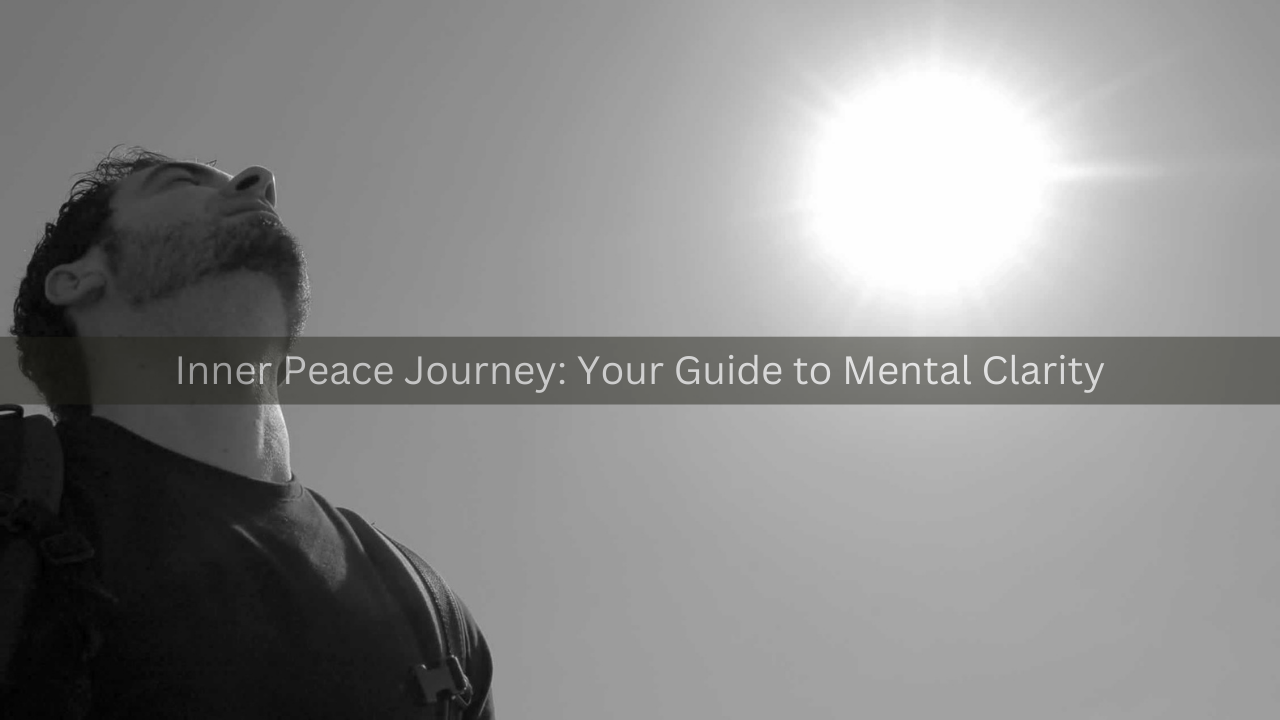
Finding inner peace can feel difficult when your mind is overwhelmed by stress, anxiety, cravings, painful memories, or uncertainty about the future. For someone navigating addiction recovery or mental health challenges, achieving a sense of calm is not simply about relaxing for a few minutes. It involves learning how to understand your emotions, manage stress in healthier ways, and create daily habits that support clear thinking. With compassionate treatment, individualized care, and a commitment to whole person wellness, inner peace can become an important part of a lasting recovery journey.
Recovery gives you an opportunity to reconnect with yourself. Instead of relying on substances or unhealthy behaviors to escape difficult emotions, you can learn healthier ways to respond to them. That process takes patience, but each positive choice can strengthen emotional wellness and help you build a more stable future.
Understanding the Connection Between Inner Peace and Recovery
Inner peace does not mean that life will always be calm. Difficult days, unexpected stress, and uncomfortable emotions are part of being human. The difference is learning how to face those experiences without allowing them to take control.
During addiction, substances may become a way to cope with anxiety, loneliness, trauma, grief, or emotional pain. Once substance use stops, those underlying feelings may become more noticeable. Learning to manage them is an important part of addiction recovery.
Mental clarity can help you recognize what you are experiencing before you react. For example, instead of immediately responding to a stressful situation, you can pause and ask yourself what triggered the emotion and what response would best support your recovery.
Over time, this awareness can help you:
- Identify personal triggers
- Manage stress more effectively
- Make thoughtful decisions
- Improve emotional regulation
- Strengthen relationships
- Reduce reliance on unhealthy coping mechanisms
- Stay focused on long term recovery goals
Inner peace is therefore not an isolated wellness goal. It can support many of the skills that make recovery sustainable.
H2: Start With Small Changes That Create Mental Clarity
You do not have to completely change your life to begin finding greater peace. In many cases, simple habits practiced consistently can make a meaningful difference.
H3: Create a Calm Morning Routine
The way you begin your morning can influence how you approach the rest of the day. Instead of immediately checking messages or rushing into responsibilities, give yourself a few quiet minutes.
You might sit quietly, pray, stretch, write in a journal, or simply take several slow breaths.
Ask yourself:
- How am I feeling this morning?
- What do I need today?
- What is one healthy choice I can make?
- Who can I contact if I need support?
These questions can help you begin the day with intention rather than reaction.
H3: Practice Mindful Breathing
Mindful breathing is a simple technique that can be used almost anywhere. When you notice yourself becoming overwhelmed, pause and focus on your breathing.
Take slow, comfortable breaths and notice the sensation of breathing in and out. If your thoughts wander, gently return your attention to the present moment.
The purpose is not to force your mind to become completely quiet. Instead, mindfulness teaches you to notice thoughts and emotions without automatically acting on them.
This can be particularly useful during stressful moments when old coping patterns may feel tempting.
H2: Build Healthy Habits for Lasting Wellness
Mental clarity is closely connected to physical and emotional wellness. A recovery routine should therefore support the whole person.
H3: Make Sleep a Priority
Sleep can affect mood, concentration, stress tolerance, and decision making. Establishing consistent sleep and wake times may help create greater stability.
Consider creating a relaxing evening routine. Reduce unnecessary screen time before bed, keep your sleeping environment comfortable, and give yourself enough time to rest.
If persistent sleep difficulties are affecting your well-being, discuss them with a qualified healthcare professional.
H3: Eat Regular, Balanced Meals
Nutrition is another basic part of wellness that can sometimes be overlooked during recovery. Regular meals can support energy and help create a more consistent daily routine.
You do not need to pursue a perfect diet. Instead, focus on practical choices that provide nourishment and support your overall health.
H3: Stay Physically Active
Movement can be an effective way to manage everyday stress. Walking, stretching, swimming, yoga, or another enjoyable activity can become part of your recovery routine.
Physical activity does not have to be intense. Consistency is often more important than intensity.
A short walk can also provide valuable time away from stressful surroundings and give you an opportunity to clear your thoughts.
H2: Use Holistic Practices to Reconnect With Yourself
Holistic recovery recognizes that mental, emotional, physical, and spiritual wellness can influence one another. Incorporating healthy practices from different areas of life can help individuals develop a stronger sense of balance.
H3: Spend Time in Nature
Nature can create an opportunity to slow down and step away from constant stimulation. Walking outdoors, sitting in a quiet park, gardening, or spending time in another peaceful setting can encourage reflection.
Try putting your phone away and paying attention to your surroundings. Notice the sounds, sights, and physical sensations around you.
This simple practice can help bring your attention back to the present.
H3: Explore Creative Activities
Creative expression can provide another healthy outlet for emotions. Writing, painting, drawing, playing music, photography, or other activities can help you express experiences that may be difficult to put into words.
The goal is not to create something perfect. The goal is to give yourself a safe and constructive way to explore your thoughts and feelings.
H3: Make Space for Faith and Spirituality
For individuals who draw strength from faith, spiritual practices can provide comfort, hope, and purpose during recovery.
Prayer, meditation, reflection, scripture, spiritual counseling, or connection with a supportive faith community may become meaningful parts of the healing process.
Faith based support can complement professional treatment when it reflects an individual’s beliefs and personal preferences.
H2: Address Mental Health as Part of Recovery
Addiction recovery and mental health treatment often need to work together. Anxiety, depression, trauma, and other mental health concerns can influence substance use and recovery patterns.
Professional treatment provides an opportunity to address these concerns rather than attempting to manage them alone.
H3: Understand Your Triggers
A therapist or treatment professional can help you identify situations, emotions, thoughts, or relationships that may contribute to unhealthy behaviors.
Once you understand your triggers, you can begin creating specific strategies for managing them.
For example, if conflict consistently increases your stress, treatment may help you develop healthier communication skills. If loneliness is a trigger, you might focus on building supportive relationships and increasing positive social connection.
H3: Learn to Sit With Difficult Emotions
Emotional wellness does not require eliminating uncomfortable feelings. Anger, sadness, fear, frustration, and disappointment are normal human experiences.
The goal is to develop the ability to experience those emotions without immediately trying to escape them through substance use or other harmful behaviors.
Therapy can provide a safe environment for developing this skill.
H2: Choose a Treatment Approach That Fits Your Needs
Every person’s recovery journey is different. Effective treatment should take individual circumstances, goals, challenges, and strengths into consideration.
H3: Inpatient Care
Inpatient treatment offers a structured environment where individuals can focus closely on recovery while receiving professional support. This level of care can be helpful for people who need increased structure, stability, or supervision during a particular stage of healing.
A structured setting can also provide time and space to develop healthier routines before returning to everyday responsibilities.
H3: Outpatient Care
Outpatient treatment allows individuals to participate in professional services while continuing to manage certain responsibilities at home, work, or school.
This approach can help people practice recovery skills in their everyday environments while continuing to receive counseling and support.
The right level of care depends on individual needs. A qualified professional can help determine which treatment setting is most appropriate.
H2: Surround Yourself With Supportive People
Inner peace is easier to cultivate when you do not feel that you have to handle everything alone.
Support can come from many sources, including counselors, treatment professionals, family members, trusted friends, recovery peers, mentors, and faith communities.
Healthy relationships can provide encouragement and accountability. At the same time, recovery may require setting boundaries with people or environments that consistently increase stress or expose you to substance use.
Setting a boundary is not a rejection of others. It is a way to protect your well-being while you continue building a healthier life.
H2: Give Yourself Permission to Progress Gradually
One of the most important parts of recovery is accepting that meaningful change takes time.
You may have days when you feel confident and hopeful. You may also experience days when anxiety, cravings, sadness, or frustration return. A difficult day does not erase your progress.
Instead of judging yourself, consider what the experience can teach you.
Ask:
- What happened before I became overwhelmed?
- What emotions was I experiencing?
- What helped me cope?
- What could I do differently next time?
- Who can support me right now?
This approach turns difficult moments into opportunities for greater self awareness.
If you experience a setback or believe your recovery is becoming unstable, reach out to a qualified treatment professional as soon as possible. Early support can make it easier to get back on track.
Conclusion: Your Journey to Inner Peace Starts With One Healthy Choice
Finding inner peace is not about creating a life without stress, uncertainty, or difficult emotions. It is about developing the awareness and emotional resilience needed to respond to those experiences in healthier ways.
Small actions can make a meaningful difference. A quiet morning, a mindful breath, a nourishing meal, a walk outside, a meaningful conversation, time spent in prayer, or an honest therapy session can all become part of a stronger foundation for recovery.
Professional addiction recovery services and mental health treatment can provide additional guidance and accountability. Inpatient and outpatient care can offer different levels of support, while holistic, faith based, and individualized approaches can help address the many dimensions of a person’s well-being.
If you are struggling with addiction, emotional distress, or persistent stress, you do not have to navigate the journey alone. Reaching out for professional support can be the first step toward greater clarity and stability.
Your recovery does not have to happen all at once. Start with one healthy decision today. Then make another tomorrow. With patience, compassionate support, and consistent effort, you can move toward a clearer mind, greater emotional balance, and a healthier life built around lasting wellness.