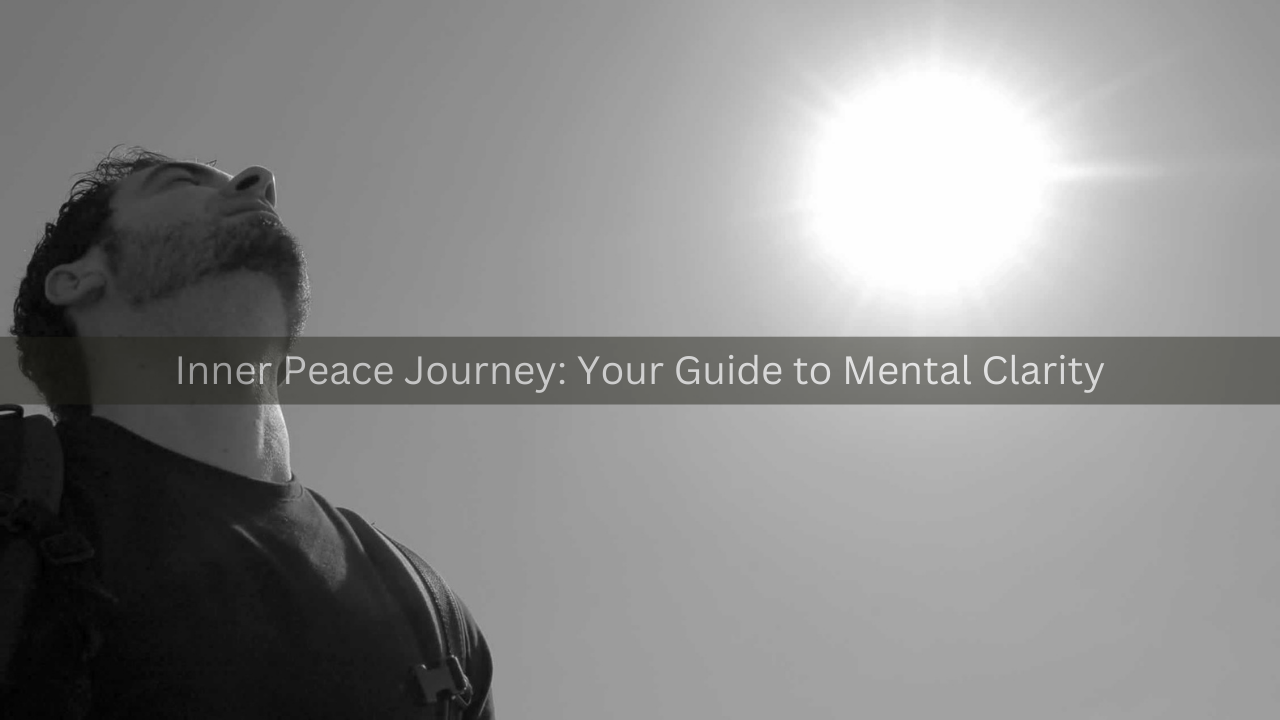

Recovery is not only about stopping substance use. It is also about learning how to live with greater awareness, emotional stability, and purpose. For many people, addiction develops alongside stress, unresolved pain, anxiety, depression, trauma, or difficult life circumstances. As treatment begins, those experiences may come into sharper focus. Finding stillness within can help create the mental space needed to process emotions, make healthier decisions, and build a stronger foundation for lasting recovery. Through professional addiction treatment, mental health care, holistic practices, and individualized support, people can learn practical ways to cultivate inner peace while moving toward a healthier and more balanced life.
Why Inner Peace Matters in Addiction Recovery
Inner peace does not mean that life becomes completely free from stress or difficult emotions. Instead, it means developing the ability to experience those challenges without allowing them to control your choices.
Addiction can make this difficult. When substances have been used to cope with emotional discomfort, stress, or painful memories, learning new coping skills can take time. Recovery provides an opportunity to replace unhealthy patterns with healthier responses.
Mental clarity can help you recognize what is happening before reacting. You may begin to notice a stressful thought, identify an emotional trigger, and choose a constructive response instead of returning to an old coping pattern.
A greater sense of inner peace can support recovery by helping you:
- Manage stress more effectively
- Recognize emotional triggers
- Improve concentration and decision making
- Build healthier relationships
- Respond to cravings with greater awareness
- Develop confidence in your recovery skills
- Maintain focus on long term goals
Mental Health Treatment Is an Important Part of Healing
Addiction and mental health are closely connected. Some individuals struggle with anxiety, depression, trauma, or other mental health concerns before substance use begins. For others, prolonged substance use can worsen emotional and psychological symptoms.
That is why comprehensive recovery should address more than addiction alone.
Understanding Your Emotional Patterns
Therapy can help individuals explore the thoughts, emotions, experiences, and behaviors that influence their decisions. With professional guidance, you can begin identifying situations that increase stress or make cravings more difficult to manage.
Understanding these patterns is an important step toward changing them.
Learning Healthier Ways to Cope
Recovery involves developing practical alternatives to substance use. Depending on individual needs, these may include counseling, mindfulness, physical activity, journaling, relaxation techniques, healthy social connections, and other therapeutic strategies.
The goal is not to eliminate every difficult emotion. Instead, the goal is to develop enough emotional resilience to move through difficult experiences without returning to harmful behaviors.
Simple Practices That Encourage Inner Peace
Finding stillness does not require hours of meditation or major lifestyle changes. Small practices can become meaningful when they are repeated consistently.
Start With a Few Quiet Minutes
Give yourself a few uninterrupted minutes each morning. Sit quietly, take several slow breaths, pray, or simply notice how you feel.
Instead of immediately focusing on everything you need to accomplish, allow yourself to begin the day with awareness.
This simple practice can create a pause between waking up and reacting to the pressures of the day.
Practice Mindful Breathing
When stress rises, breathing can become shallow and rapid. Taking several slow, comfortable breaths can help you pause and pay attention to the present moment.
Try focusing on the physical sensation of breathing rather than allowing your thoughts to spiral. If your mind wanders, gently return your attention to your breath.
Mindfulness is not about forcing your mind to become completely empty. It is about learning to notice thoughts without automatically acting on them.
Spend Time in Nature
Nature can provide an opportunity to step away from constant stimulation. A walk through a park, time in a garden, or a few quiet moments outdoors can create space for reflection.
For people in recovery, outdoor activities can also become a healthy alternative to environments associated with substance use.
Keep a Simple Journal
Writing can help organize thoughts and emotions that feel confusing when they remain in your head.
Consider answering a few questions each evening:
- What went well today?
- What was difficult?
- What emotion did I experience most strongly?
- What helped me cope?
- What do I want to approach differently tomorrow?
You do not need to write extensively. A few honest observations can reveal patterns over time.
Holistic Care Supports the Whole Person
Recovery becomes stronger when treatment considers physical, emotional, mental, and spiritual well-being. A holistic approach can complement clinical addiction treatment by helping individuals reconnect with healthy activities, personal values, and sources of meaning.
Caring for the Body
Mental wellness is closely connected to physical health. Regular movement, nutritious meals, adequate sleep, and appropriate medical care can all contribute to greater stability.
These habits may seem basic, but they can make a significant difference in how you manage stress and maintain energy throughout recovery.
Exploring Faith and Spirituality
For people who draw strength from faith, spiritual practices can provide comfort, hope, and a deeper sense of purpose. Prayer, reflection, spiritual counseling, and connection with a supportive faith community can become meaningful parts of recovery.
Faith does not have to replace professional treatment. Instead, it can complement counseling and other services when it aligns with an individual’s beliefs and preferences.
Reconnecting With Meaningful Activities
Addiction can gradually narrow a person’s world. Hobbies, creative activities, relationships, service, education, and meaningful work can help rebuild a sense of identity.
Ask yourself what once brought you satisfaction or what you would like to explore for the first time. Recovery can be an opportunity to rediscover interests that addiction pushed aside.
Personalized Treatment Can Make a Difference
There is no single recovery plan that works for everyone. Each person brings a different history, set of challenges, support system, and vision for the future.
Individualized treatment takes these differences into account.
Inpatient Addiction Treatment
Inpatient care provides a structured setting where individuals can focus more closely on healing while receiving professional support. This environment can be particularly valuable when someone needs a higher level of structure, stability, or supervision.
Outpatient Addiction Treatment
Outpatient care allows individuals to participate in treatment while continuing to manage responsibilities such as work, school, or family life. Counseling and recovery support can help individuals apply newly learned coping skills in everyday situations.
The appropriate level of care depends on individual circumstances. A qualified treatment professional can help determine which approach is most appropriate.
Building Inner Peace Through Healthy Relationships
Recovery can feel isolating when someone tries to handle every challenge alone. Healthy relationships provide encouragement, accountability, and perspective.
A strong support network might include counselors, peers, family members, trusted friends, mentors, or members of a faith community.
At the same time, recovery may require setting boundaries. If certain people, environments, or situations consistently increase stress or expose you to triggers, creating healthy distance can protect your progress.
Asking for support is not a weakness. It is an important recovery skill.
What to Do When Your Mind Feels Overwhelmed
Even with healthy habits, difficult days will happen. When your thoughts feel crowded or emotions become intense, return to the basics.
Pause. Take a few slow breaths. Identify what you are feeling. Step away from the immediate source of stress if possible. Then contact someone you trust.
You can also ask yourself what you need right now. Perhaps you need rest, a conversation, professional guidance, a healthy meal, physical activity, or a quiet environment.
Most importantly, do not wait until a crisis becomes overwhelming before seeking support.
Conclusion: Stillness Can Become Part of Your Recovery
Finding stillness within is not about creating a perfect life. It is about learning how to meet life’s challenges with greater awareness, patience, and emotional strength. As mental clarity develops, healthy choices can become easier to recognize. As inner peace grows, stressful moments may become more manageable.
Professional addiction recovery services, mental health treatment, inpatient and outpatient care, holistic approaches, faith-based support, and individualized treatment can provide valuable tools for this process. You do not have to navigate recovery alone.
If addiction or emotional challenges are making it difficult to find peace, reaching out for professional help can be a meaningful first step. Healing takes time, but every healthy choice matters. With the right support and a willingness to keep moving forward, you can develop greater mental clarity, strengthen your recovery, and create a life with more balance, purpose, and peace.