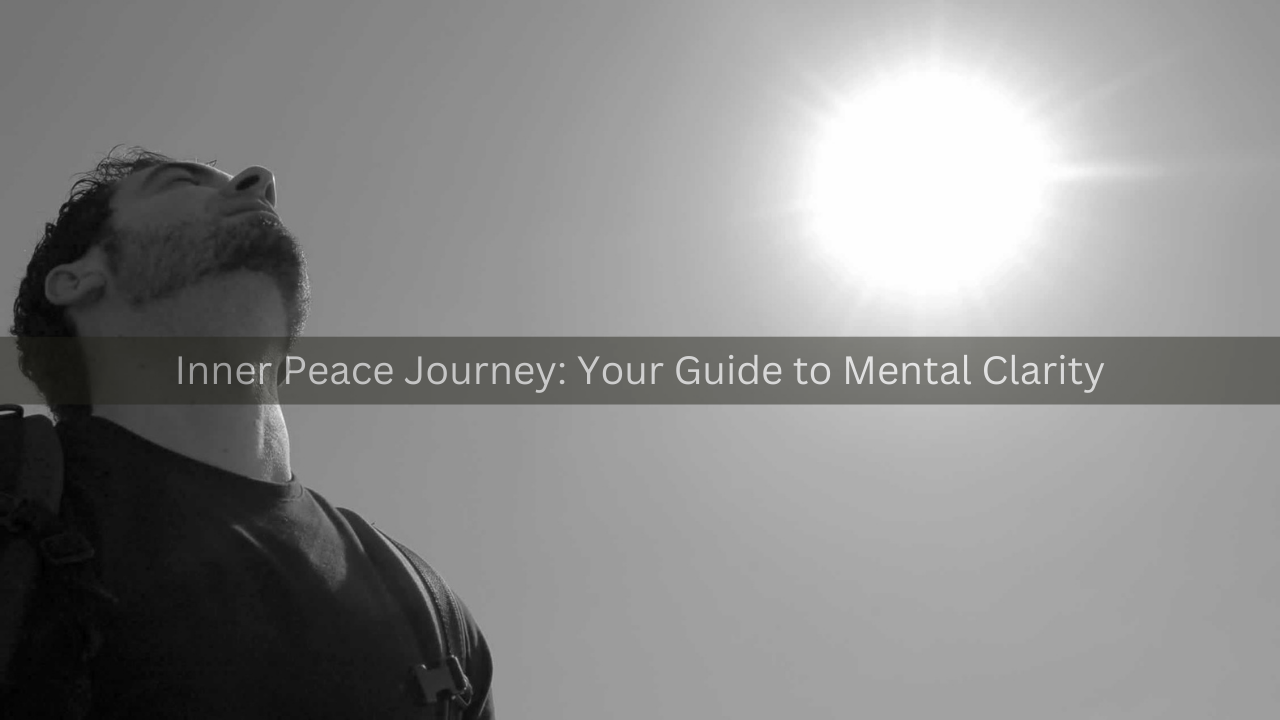

Long term recovery is not simply about staying away from addictive substances or behaviors. It is also about learning how to live with difficult emotions, manage stress, build healthy relationships, and make decisions that support your well-being. For many people, developing emotional balance is an important part of that process. When the mind is calmer and emotions are easier to understand, it becomes possible to respond to challenges instead of reacting impulsively. With compassionate addiction recovery services, mental health treatment, and individualized support, people can develop the skills needed to cultivate a peaceful mind and build a healthier life in recovery.
Why Emotional Balance Matters in Addiction Recovery
Addiction can disrupt emotional regulation and make everyday stress feel difficult to manage. Over time, substances or unhealthy behaviors may become a way to escape anxiety, sadness, anger, loneliness, or other painful emotions.
Recovery creates an opportunity to develop healthier responses. Instead of immediately trying to suppress an uncomfortable feeling, individuals can learn to recognize it, understand what may be causing it, and choose an appropriate way to respond.
Emotional balance does not mean feeling positive all the time. Everyone experiences frustration, grief, disappointment, and fear. The goal is to develop the resilience to experience those emotions without allowing them to control decisions or undermine recovery.
A peaceful mind can support recovery by helping individuals:
- Recognize emotional triggers
- Manage stress more effectively
- Think more clearly before making decisions
- Communicate more openly
- Develop healthier coping strategies
- Maintain stronger relationships
- Stay focused on long term recovery goals
Mental Health and Recovery Are Closely Connected
Addiction and mental health concerns frequently overlap. Anxiety, depression, trauma, chronic stress, and other emotional challenges can influence substance use, while addiction can also make existing mental health symptoms more difficult to manage.
For this reason, effective recovery should address the whole person. Treating addiction without considering emotional and psychological needs may leave important challenges unresolved.
Treating the Person, Not Just the Addiction
Integrated mental health treatment gives individuals an opportunity to explore the experiences and patterns that may contribute to unhealthy coping. Therapy can help people understand their emotions, identify triggers, challenge unhelpful thought patterns, and develop practical skills for handling difficult situations.
This approach can be particularly valuable for individuals with co-occurring mental health and substance use concerns. With appropriate professional guidance, treatment can address both areas as part of a comprehensive recovery plan.
Daily Practices That Encourage a Peaceful Mind
Emotional balance is strengthened through consistent practice. Small habits can create meaningful changes when they become part of everyday life.
Start the Day with Intention
The first moments of the day can influence how you approach everything that follows. Rather than immediately checking messages or rushing into responsibilities, consider creating a few quiet minutes for yourself.
Prayer, meditation, gratitude, or simply sitting quietly can provide an opportunity to establish a sense of direction. Ask yourself what you need today to protect your recovery and support your emotional wellness.
Use Mindful Breathing During Stressful Moments
Stress can make it difficult to think clearly. Mindful breathing offers a simple way to pause before reacting.
Try taking several slow breaths while paying attention to the movement of your body. Focus on the present moment rather than immediately thinking about everything that could go wrong.
This practice will not eliminate every difficult emotion. However, it can create enough space to make a healthier decision.
Create a Predictable Routine
Structure can provide stability during recovery. Regular sleep, nutritious meals, physical activity, therapy, and time for relaxation can help create a balanced foundation.
A routine also makes it easier to recognize changes in your mood or behavior. If you notice that you are becoming increasingly isolated, irritable, exhausted, or overwhelmed, you can reach out for support before the situation becomes more difficult.
H2: Holistic Practices Can Strengthen Emotional Wellness
Holistic recovery considers the connection between mental, physical, emotional, and spiritual health. This perspective can complement professional addiction treatment by encouraging individuals to care for every part of themselves.
H3: Connect Your Mind and Body
Physical wellness can influence emotional wellness. Walking, stretching, yoga, recreational activities, and other forms of movement can provide healthy ways to release tension and reconnect with your body.
Sleep is equally important. Establishing healthy sleep habits can make it easier to manage stress and maintain focus throughout the day.
H3: Make Time for Reflection
Journaling can help organize thoughts that otherwise feel overwhelming. Writing down concerns, accomplishments, triggers, or things you are grateful for can make emotional patterns easier to recognize.
You do not need to write pages every day. Even a few honest sentences can provide useful insight.
H3: Explore Spiritual Support
For individuals who draw strength from faith, spirituality can become an important part of recovery. Prayer, scripture, spiritual counseling, or participation in a supportive faith community can provide comfort and a sense of purpose.
Faith-based care can also encourage forgiveness and hope while helping individuals understand that their past does not have to define their future.
H2: Professional Support Makes Recovery Stronger
Healthy habits are valuable, but recovery should not depend on willpower alone. Professional support provides guidance when emotions, cravings, or life circumstances become difficult to manage.
Individual counseling can create a confidential environment for exploring personal challenges. Group therapy can provide connection and accountability. Family counseling can help loved ones understand addiction and learn healthier ways to support recovery.
The appropriate level of treatment also depends on each person’s needs.
H3: Inpatient Care
Inpatient treatment offers a structured environment where individuals can focus closely on recovery while receiving professional support. This level of care can provide stability for people who need more intensive assistance during a particular stage of healing.
H3: Outpatient Care
Outpatient treatment allows individuals to receive ongoing therapy and recovery support while continuing to manage responsibilities at home, work, or school. It can be an important option for maintaining progress while gradually applying recovery skills to everyday situations.
The most effective approach is not necessarily the same for everyone. Individualized care considers personal circumstances, treatment goals, mental health needs, and recovery progress.
H2: Emotional Balance Helps You Respond to Setbacks
Setbacks can happen during recovery. A difficult day, stressful relationship, unexpected disappointment, or emotional trigger does not automatically mean that recovery has failed.
A peaceful mind helps create perspective.
Instead of thinking, “I cannot handle this,” you can learn to pause and ask:
- What am I feeling right now?
- What triggered this response?
- What do I need at this moment?
- Who can I contact for support?
- What choice will protect my recovery?
These questions turn an overwhelming situation into an opportunity to practice healthy coping skills.
H2: Build a Support System That Protects Your Peace
Recovery becomes more sustainable when you have people you can trust. Support may include counselors, treatment professionals, family members, friends, peers, or members of a faith community.
Healthy relationships should encourage honesty and accountability. They should also give you permission to ask for help without shame.
Setting boundaries is another important part of emotional wellness. Protecting your recovery may sometimes mean limiting contact with people, places, or situations that consistently create unnecessary stress or increase exposure to triggers.
Conclusion: A Peaceful Mind Can Become Part of Your Recovery
Emotional balance is not something you have to achieve perfectly before you can experience a fulfilling life in recovery. It develops gradually through self-awareness, healthy routines, professional guidance, meaningful relationships, and consistent care for your mind, body, and spirit.
If addiction or mental health challenges are making it difficult to find stability, reaching out for professional support can be a meaningful next step. Inpatient and outpatient care, mental health treatment, holistic practices, faith-based support, and individualized recovery planning can provide the foundation you need to move forward.
A peaceful mind does not mean that life will never be difficult. It means you can face difficult moments with greater clarity, compassion, and confidence. Long term recovery is built one healthy choice at a time. Today can be the day you begin choosing a calmer, healthier, and more purposeful path.