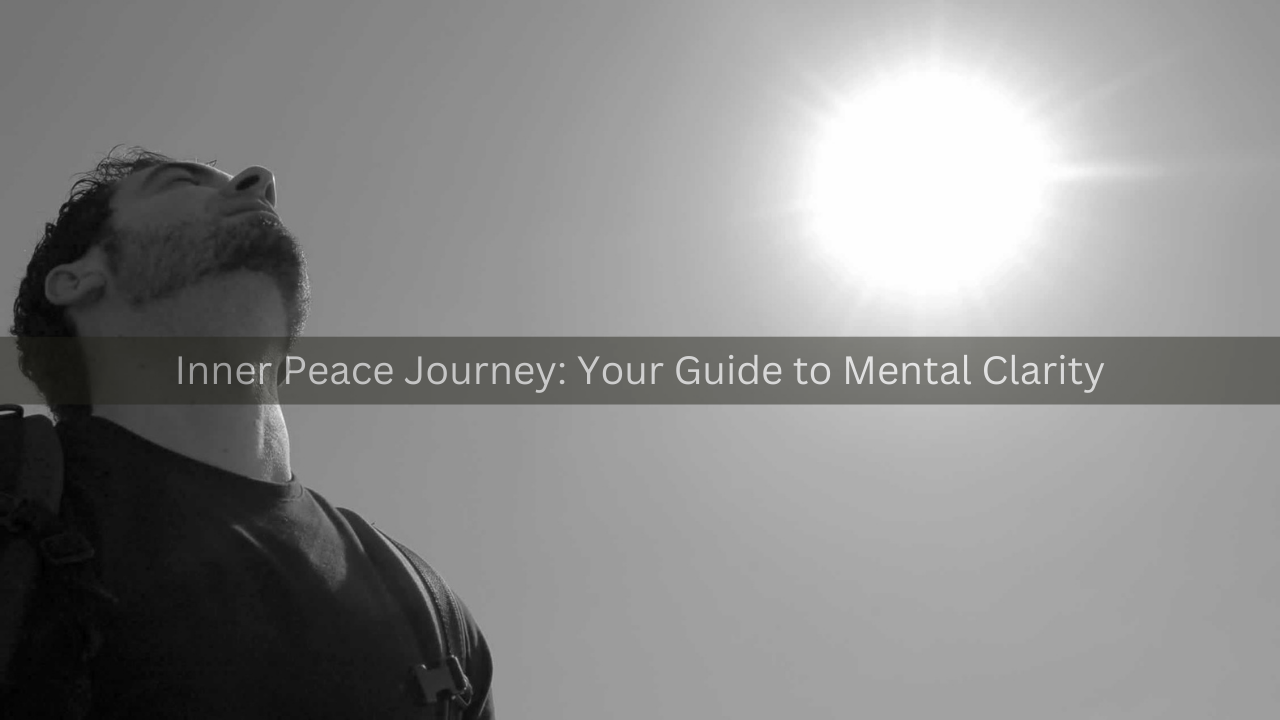

Long-term recovery is not built on willpower alone. It is built from the inside out, through emotional stability, mental clarity, and the ability to remain grounded during life’s challenges. For many individuals overcoming addiction or managing mental health conditions, the early focus is often on stopping harmful behaviors. However, lasting healing requires something deeper. Rebuilding from within means developing inner peace practices that support balance, resilience, and clarity in everyday life. When the inner world becomes more stable, long-term recovery becomes more sustainable.
H2: Why Inner Peace Is the Foundation of Long-Term Recovery
Inner peace is the ability to remain emotionally steady even when stress, triggers, or uncertainty arise. It does not remove life’s challenges, but it changes how we respond to them. In recovery, this shift is essential.
Without inner peace, stress can escalate quickly, increasing emotional vulnerability and the risk of relapse. With it, individuals gain the ability to pause, reflect, and choose healthier responses.
Inner peace supports long-term recovery by helping individuals:
- Manage stress without emotional overwhelm
- Improve focus and decision-making
- Reduce impulsive reactions
- Strengthen emotional resilience
- Maintain mental clarity during difficult moments
Recovery programs that integrate addiction treatment, mental health care, inpatient and outpatient support, and holistic approaches provide the structure needed to build this foundation.
H2: Rebuilding from Within Through Daily Inner Peace Practices
Inner peace is not a destination. It is a daily practice. Small actions repeated over time create lasting change in how the mind and body respond to stress.
H3: Start with Grounded Breathing
Breathing exercises are one of the simplest and most effective tools for emotional regulation. Slow, intentional breathing helps calm the nervous system and reduces feelings of anxiety or overwhelm. Practicing this daily builds a sense of internal stability.
H3: Develop Present Moment Awareness
Mindfulness teaches individuals to focus on the present instead of getting lost in past regrets or future worries. This practice can be used during everyday activities such as walking, eating, or resting. Over time, it reduces mental noise and improves clarity.
H3: Create Space for Quiet Reflection
Taking time each day for quiet reflection allows the mind to reset. This can include meditation, journaling, or simply sitting in silence. These moments of stillness help process emotions and strengthen self-awareness.
H2: Strengthening Recovery Through Emotional Awareness
Emotional healing is a key part of rebuilding from within. Many individuals in recovery carry unresolved emotions such as guilt, fear, or sadness. Addressing these emotions is essential for long-term stability.
H3: Journaling for Emotional Processing
Writing thoughts and feelings helps externalize internal stress. Journaling provides clarity, helps identify emotional patterns, and supports personal growth over time.
H3: Learning to Observe Emotions Without Judgment
Instead of reacting immediately to emotions, inner peace practices encourage observation. This creates space between feeling and action, allowing for more thoughtful responses.
H3: Seeking Support When Needed
Professional support plays an important role in emotional healing. Therapy, counseling, and group support provide guidance, accountability, and connection throughout the recovery journey.
H2: The Role of Holistic Care in Inner Healing
Holistic recovery recognizes that healing involves the mind, body, and spirit. A well-rounded approach strengthens inner peace and supports long-term recovery outcomes.
Holistic care may include:
- Individual therapy tailored to personal needs
- Group counseling for shared understanding and support
- Faith-based or spiritual practices for meaning and grounding
- Creative therapies such as art or music
- Physical wellness activities like movement or exercise
- Structured inpatient or outpatient programs
These combined approaches help individuals build a stronger internal foundation for recovery.
H2: Creating a Lifestyle That Supports Inner Peace
Long-term recovery requires consistency. A structured and supportive lifestyle helps reduce chaos and reinforces emotional stability.
Helpful lifestyle practices include:
- Maintaining regular sleep patterns
- Eating balanced and nourishing meals
- Scheduling daily routines
- Limiting unnecessary stressors
- Surrounding yourself with supportive relationships
A stable lifestyle creates external order, which supports internal calm.
H2: Progress Is Built Through Consistency, Not Perfection
Rebuilding from within is a gradual process. There will be setbacks, emotional challenges, and moments of uncertainty. What matters most is consistency in returning to healthy practices.
Each mindful choice, each moment of awareness, and each act of self-care contributes to long-term recovery. Progress may feel slow at times, but it is always meaningful.
Conclusion: Begin Rebuilding Your Inner Foundation Today
Inner peace practices are essential for strengthening long-term recovery. Through mindfulness, emotional awareness, holistic care, and structured support, individuals can rebuild their inner world and create a life grounded in stability and clarity.
If you or someone you love is struggling with addiction or mental health challenges, reaching out for professional support can be the first step toward meaningful change. Recovery is possible, and rebuilding from within begins with one small, intentional step forward.