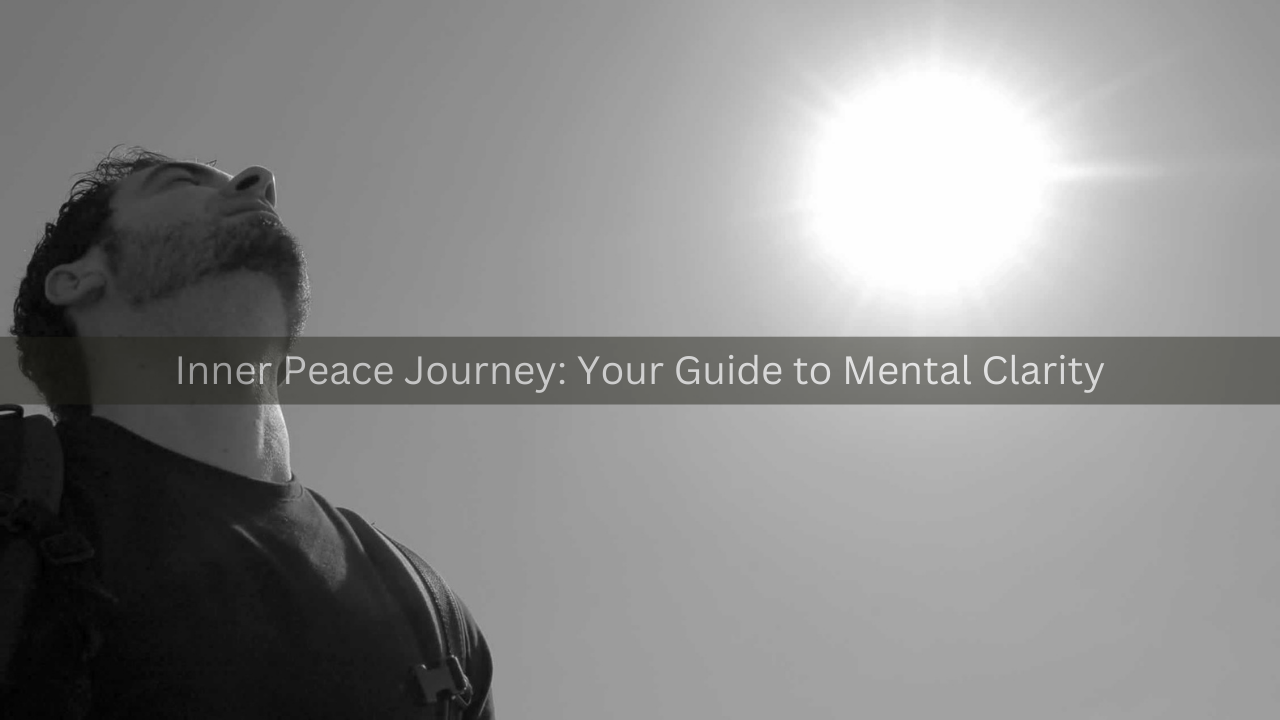

Lasting recovery is not only about abstaining from substances. It is about rebuilding a life rooted in stability, emotional balance, and mental clarity. Many individuals in recovery find that while physical withdrawal may pass, the mental and emotional challenges require ongoing care and attention. Inner peace becomes a vital part of this process. When the mind is clear and the heart is calm, recovery becomes more sustainable, more grounded, and more fulfilling. Holistic strategies that support both mental clarity and emotional wellness can help individuals create lasting change from the inside out.
The Connection Between Inner Peace and Lasting Recovery
Inner peace is the ability to remain grounded even when life feels uncertain or emotionally intense. In recovery, this state of calm is essential for maintaining sobriety and protecting mental health.
Without inner peace, stress can build quickly, leading to emotional overwhelm and unhealthy coping patterns. With it, individuals gain the ability to pause, reflect, and respond with intention rather than reaction.
Inner peace supports recovery by helping individuals:
- Reduce anxiety and emotional reactivity
- Improve focus and decision-making
- Strengthen resilience during challenges
- Support long-term mental health stability
- Prevent relapse by managing stress more effectively
Comprehensive treatment that includes addiction recovery services, mental health care, inpatient and outpatient support, and holistic healing approaches creates a strong foundation for developing this inner balance.
Holistic Strategies for Mental Clarity
Holistic recovery focuses on healing the whole person, not just the symptoms of addiction. It recognizes that mental clarity is influenced by emotional, physical, and spiritual health.
Mindfulness and Present Moment Awareness
Mindfulness is one of the most effective tools for achieving mental clarity. By focusing attention on the present moment, individuals learn to observe thoughts and emotions without judgment. This reduces mental noise and creates space for calm decision-making.
Simple mindfulness practices include:
- Paying attention to your breath for a few minutes each day
- Noticing physical sensations during daily activities
- Observing thoughts without reacting to them
Over time, mindfulness helps strengthen emotional regulation and reduce stress.
Structured Daily Routines
Consistency creates stability, and stability supports mental clarity. A structured routine helps reduce uncertainty, which is often a source of stress in recovery.
A balanced routine may include:
- Regular sleep and wake times
- Scheduled meals and hydration
- Time for therapy or support groups
- Moments for rest and reflection
- Healthy physical activity
When the day has structure, the mind has less room for chaos and overwhelm.
Physical Wellness and Movement
The mind and body are deeply connected. Physical activity plays an important role in supporting mental clarity and emotional stability. Exercise releases endorphins, reduces stress, and improves focus.
Simple forms of movement such as walking, stretching, or yoga can significantly improve mood and support recovery progress.
Emotional Healing as a Foundation for Inner Peace
Mental clarity cannot exist without emotional healing. Many individuals in recovery carry unresolved emotions such as guilt, trauma, or anxiety. Addressing these emotions is essential for long-term wellness.
Therapeutic Support and Counseling
Professional therapy provides a safe space to process emotions and develop healthier coping strategies. Individualized treatment ensures that care is tailored to personal experiences and mental health needs.
Creative and Spiritual Expression
Holistic recovery often includes creative and spiritual practices such as art, music, journaling, or faith-based reflection. These outlets help individuals express emotions in healthy ways while reconnecting with purpose and meaning.
Supportive Relationships
Connection is a powerful part of healing. Support from family, peers, and recovery professionals helps reduce isolation and reinforces positive change. Healthy relationships provide encouragement and accountability throughout recovery.
Building a Mindset That Supports Lasting Recovery
Recovery is not just about behavior change. It is also about mindset. Developing a mindset rooted in patience, self-compassion, and growth helps sustain progress over time.
It is important to understand that setbacks do not define recovery. What matters most is the ability to return to healthy practices and continue moving forward.
Conclusion: Begin Your Journey Toward Inner Peace and Mental Clarity
Inner peace and mental clarity are essential foundations for lasting recovery. Through holistic strategies such as mindfulness, structured routines, emotional healing, and supportive care, individuals can build a life that feels balanced, grounded, and meaningful.
Recovery is a journey that requires support, compassion, and consistency. If you or someone you love is seeking help, reaching out to a professional addiction and mental health treatment program can be the first step toward real and lasting change. A clearer mind and a calmer life are possible, and healing begins with that first step forward.