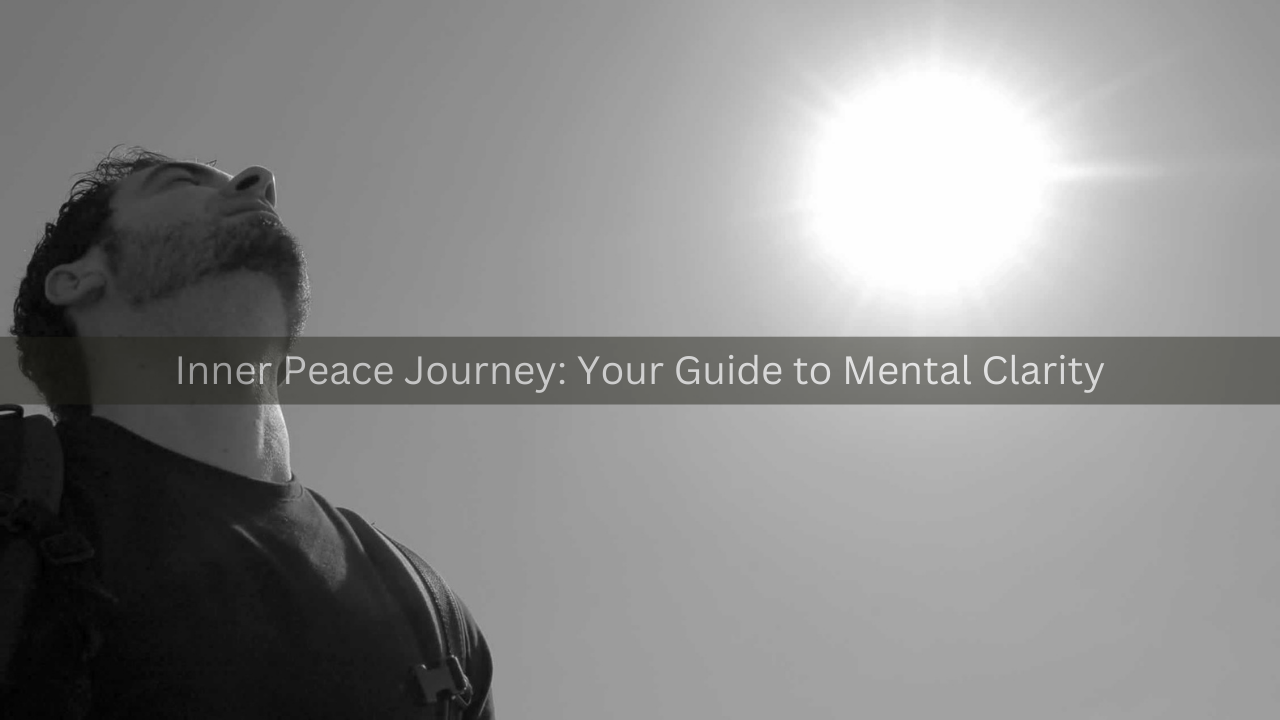
Recovery from addiction is a journey that challenges the mind, body, and spirit. Beyond managing cravings and maintaining sobriety, true healing requires cultivating inner peace and mental clarity. Feeling overwhelmed, anxious, or uncertain is common in recovery, but finding balance within can transform the healing process. By integrating intentional practices, holistic care, and supportive routines, individuals can strengthen resilience, emotional stability, and long-term wellness.
Understanding the Role of Inner Peace in Recovery
Inner peace is more than a moment of calm. It is a sustained state of emotional and mental balance that helps individuals respond thoughtfully to challenges instead of reacting impulsively. In addiction recovery, cultivating inner peace supports:
- Reduced stress and anxiety, which are common triggers for relapse
- Improved focus and decision-making abilities
- Enhanced emotional resilience and self-awareness
Programs that combine professional mental health treatment with holistic and faith-based approaches often provide the most effective environment for developing inner peace.
Practical Steps to Cultivate Mental Clarity
Achieving balance within begins with actionable daily practices that promote focus, calm, and emotional awareness.
Mindfulness and Meditation
Mindfulness is the practice of intentionally observing thoughts and feelings without judgment. Daily meditation or focused breathing exercises, even for just a few minutes, can reduce stress, improve emotional regulation, and increase mental clarity. Mindfulness helps individuals recognize triggers, manage cravings, and make conscious choices aligned with their recovery goals.
Journaling for Reflection
Writing down thoughts, emotions, and daily experiences encourages self-awareness and perspective. Journaling can help identify patterns that may impact recovery, track progress, and reinforce personal growth. Reflecting on successes and challenges promotes clarity and strengthens emotional resilience.
Movement and Physical Wellness
Physical activity supports mental and emotional well-being. Exercise, yoga, or gentle stretching releases endorphins, reduces stress, and fosters a mind-body connection essential for recovery. Consistency, even with small daily efforts, contributes to a more balanced and focused mind.
Integrating Holistic and Personalized Care
Recovery is most effective when care addresses the whole person. Holistic and personalized approaches may include:
- Counseling and therapy tailored to individual mental health needs
- Faith-based or spiritual guidance to provide meaning and connection
- Creative or nature-based therapies that support emotional expression and relaxation
These approaches ensure that strategies for inner peace and mental clarity are customized to each individual, enhancing the overall recovery experience.
Building a Supportive Environment
A calm and nurturing environment reinforces inner peace. Connecting with supportive friends, family, peers in recovery, or professional counselors provides encouragement and accountability. Organizing your physical space and setting aside time for reflection can reduce stress and create the conditions for mental clarity.
Celebrate Progress and Practice Patience
Recovery and the pursuit of inner peace are ongoing processes. Celebrating small victories, practicing self-compassion, and acknowledging progress, no matter how minor, helps sustain motivation. Each step toward balance strengthens resilience, reinforces healthy habits, and nurtures long-term well-being.
Take the First Step Toward Lasting Inner Peace
Finding balance within is a vital part of recovery. By integrating mindfulness, journaling, physical wellness, holistic care, and supportive connections into daily life, individuals can cultivate inner peace and achieve lasting mental clarity. Recovery is a journey, and every intentional step brings you closer to a balanced, empowered, and healthy life. Reach out to a professional or comprehensive recovery program today to start building your path toward inner peace and long-term wellness.