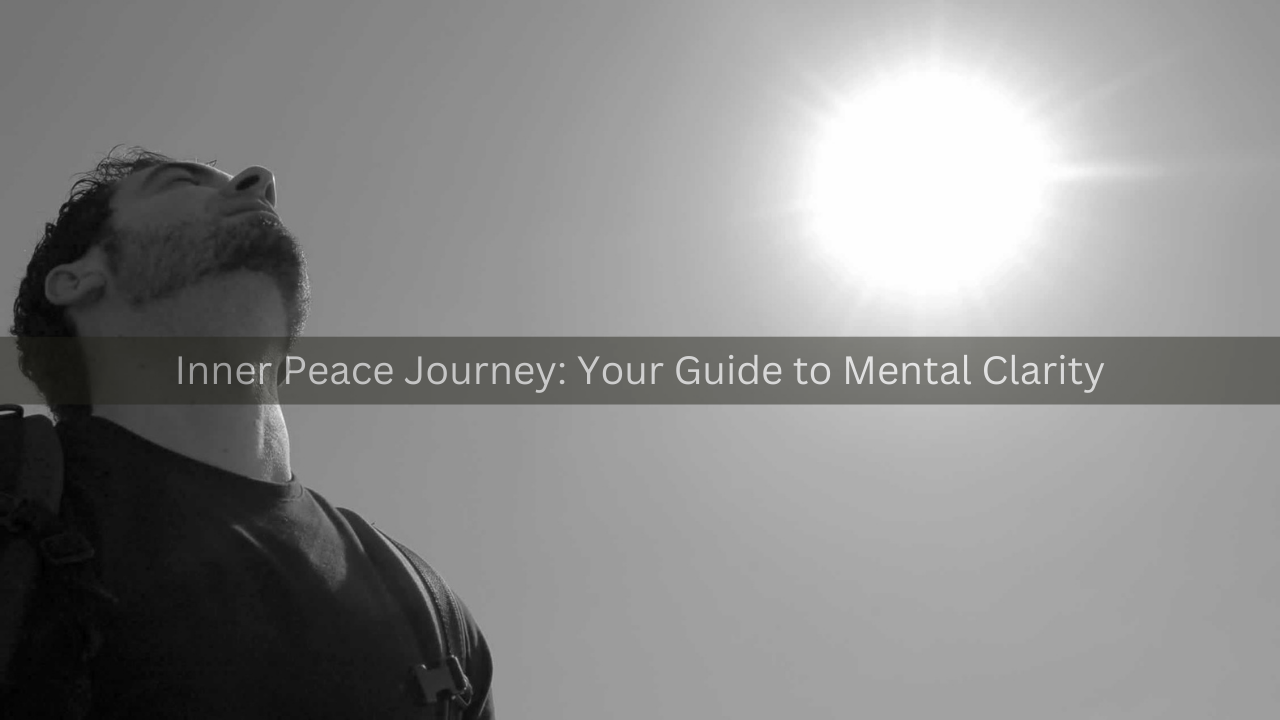
Recovery from addiction can often feel overwhelming. Between managing cravings, addressing mental health challenges, and navigating life’s responsibilities, it is easy to feel lost or mentally exhausted. Finding inner peace during this journey is not just a comfort; it is a critical part of sustaining long-term recovery. By incorporating intentional daily practices, you can move from chaos to clarity, building resilience and emotional balance one day at a time.
Understanding the Importance of Inner Peace in Recovery
Inner peace is more than a sense of calm. It is a state of mental and emotional stability that supports healthy decision-making and emotional resilience. For individuals in addiction recovery, cultivating inner peace can:
- Reduce stress and anxiety, which are common triggers for relapse.
- Improve focus and clarity in managing daily responsibilities.
- Support emotional healing and strengthen mental health.
A holistic approach that combines professional treatment, personalized care, and mindful daily practices allows individuals to develop this essential balance.
Begin Your Day with Mindful Intention
Starting each day with mindfulness sets the tone for clarity and calm. Consider integrating these practices into your morning routine:
Morning Meditation or Breathing Exercises
Even five to ten minutes of focused breathing or guided meditation can reduce stress and improve concentration. Focusing on the present moment helps you acknowledge emotions without judgment, a crucial skill in recovery.
Journaling for Reflection and Goal Setting
Journaling allows you to process thoughts and set clear intentions for the day. Writing down feelings, challenges, or goals can provide perspective and reduce mental clutter, giving you a sense of control and focus.
Incorporate Physical and Holistic Practices
A healthy body supports a healthy mind. Recovery is strengthened when daily routines include practices that nurture both mental and physical well-being.
Regular Exercise
Light exercise such as walking, stretching, or yoga releases endorphins, reduces stress, and supports emotional stability. Consistency is more important than intensity, so choose activities that feel sustainable.
Holistic and Faith-Based Approaches
Many recovery programs integrate holistic or faith-based practices, including meditation, spiritual reflection, or nature-based activities. These approaches can provide deeper emotional grounding and a sense of purpose during recovery.
Build a Supportive Environment
Inner peace is easier to maintain when you have supportive relationships and structured routines.
Connect with Supportive Communities
Engaging with family, friends, or recovery support groups provides encouragement, accountability, and shared experiences. This connection reduces feelings of isolation and reinforces your recovery goals.
Create a Calming Environment
Designing a physical space that promotes calmness can have a profound effect on mental clarity. Simple changes such as reducing clutter, adding calming elements like plants, or setting aside a quiet area for reflection can enhance your sense of peace.
End Your Day with Reflection and Gratitude
Daily practices are not only for the morning. Ending the day with reflection reinforces clarity and emotional balance.
- Review your accomplishments and acknowledge progress, no matter how small.
- Practice gratitude by listing three things you appreciate each day.
- Identify challenges without judgment and plan gentle adjustments for tomorrow.
These evening routines foster mindfulness and resilience, creating a positive feedback loop that strengthens recovery.
Take Steps Toward Lasting Inner Peace
Finding clarity in recovery is a gradual process that requires patience, consistency, and compassionate self-care. By adopting mindful mornings, holistic practices, supportive connections, and reflective evenings, you can move from overwhelm to clarity. Recovery is a journey, and you do not have to face it alone. Reach out to a professional, engage with a supportive program, and take deliberate steps each day toward inner peace and lasting mental clarity.