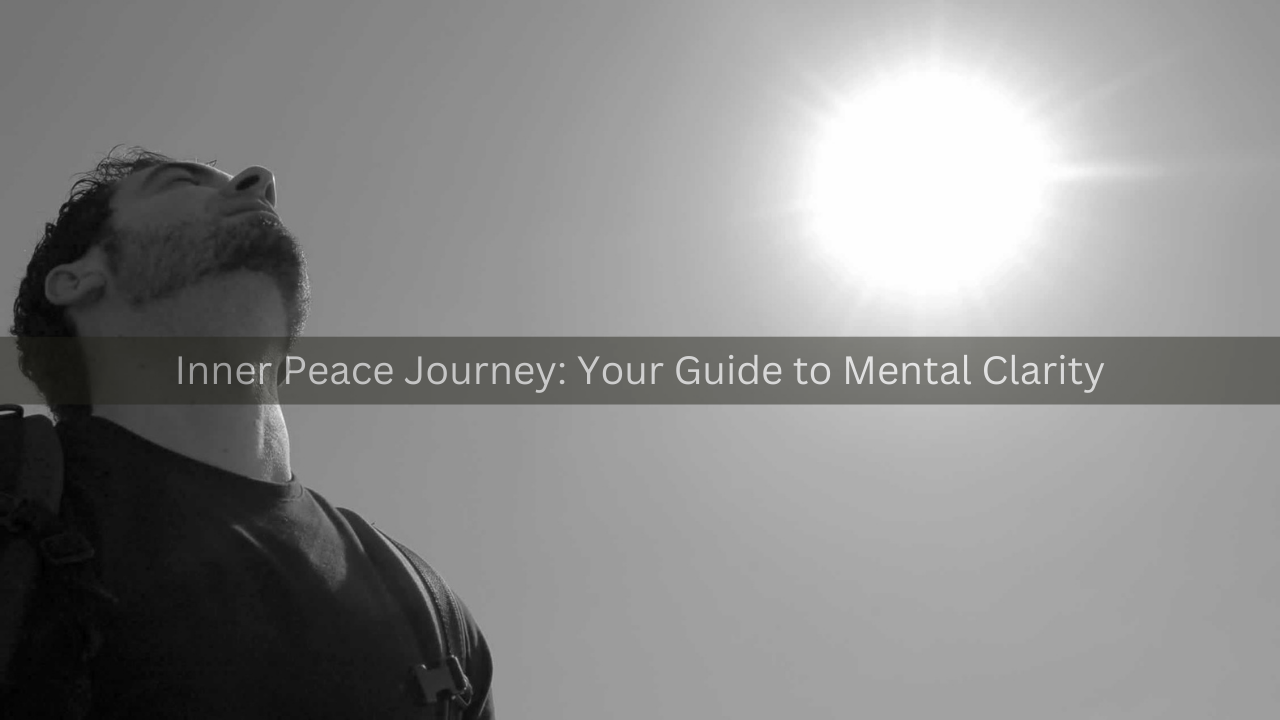

Life moves quickly. For individuals managing addiction recovery, mental health challenges, or the daily demands of work and family, the pace can feel relentless. It is easy to believe that achieving inner calm requires stepping away from responsibilities. The truth is that you can cultivate peace without stopping entirely. By learning to pause intentionally within the flow of daily life, you can strengthen your recovery, maintain mental clarity, and improve overall well-being.
Why Pausing Matters in Recovery
Addiction recovery is more than abstaining from substances. It involves rebuilding your mind, body, and spirit. Constant busyness and stress can trigger anxiety, cravings, or emotional overwhelm. Pausing without stopping allows you to reset and respond rather than react to challenges. This practice aligns with holistic care principles, integrating mental health, physical wellness, and spiritual balance into daily life. Inpatient and outpatient programs often encourage mindfulness, reflection, and intentional pauses because they reinforce lasting recovery.
Practical Strategies to Pause in Daily Life
Mindful Breathing Exercises (H2)
Short Breath Anchors (H3)
Even thirty seconds of focused breathing can help you regain composure during hectic moments. Inhale deeply through your nose, hold for a few counts, and exhale slowly through your mouth. Repeating this simple exercise several times a day can reduce stress and improve emotional regulation.
Box Breathing Technique (H3)
Try the box breathing method: inhale for four counts, hold for four, exhale for four, and pause for four. This technique is especially useful before therapy sessions, recovery meetings, or any situation that may feel overwhelming. It creates a mental reset, promoting calm clarity without disrupting your routine.
Integrating Mini-Moments of Mindfulness (H2)
Mindful Walking (H3)
Walking between appointments or errands can be transformed into a mindful practice. Focus on the sensation of each step, the movement of your body, and the sounds around you. This simple awareness practice fosters groundedness and reconnects you to the present moment.
Intentional Pauses During Tasks (H3)
Even while completing household chores or work tasks, you can insert brief moments of reflection. Pause to notice your posture, release tension from your shoulders, or check in with your emotional state. These micro-pauses help prevent overwhelm and cultivate resilience over time.
Protecting Your Mental Space (H2)
Setting Boundaries (H3)
Pausing effectively requires protecting your mental and emotional space. Limit interactions or commitments that drain energy unnecessarily. Saying no is a form of self-care that reinforces your recovery and preserves clarity.
Digital Detox Periods (H3)
Emails, social media, and notifications can disrupt your calm. Schedule short periods without screens to restore focus and encourage reflection. These intentional breaks allow your mind to reset without halting your daily responsibilities.
Combining Faith and Reflection (H2)
For individuals engaged in faith-based care, brief spiritual practices can reinforce inner calm. Prayer, affirmations, or reading inspirational texts can provide a grounding perspective. Pairing these practices with daily pauses strengthens resilience and supports holistic healing.
Conclusion
Cultivating inner calm does not require stepping away from life. By incorporating mindful breathing, intentional pauses, micro-moments of awareness, and healthy boundaries, you can navigate a fast-paced world with clarity and peace. For those in addiction recovery or mental health treatment, these practices complement clinical care and holistic support. If you or a loved one are ready to explore personalized recovery strategies that combine mental health, spiritual growth, and holistic approaches, reach out today. A calmer, more balanced life is within reach, one intentional pause at a time.